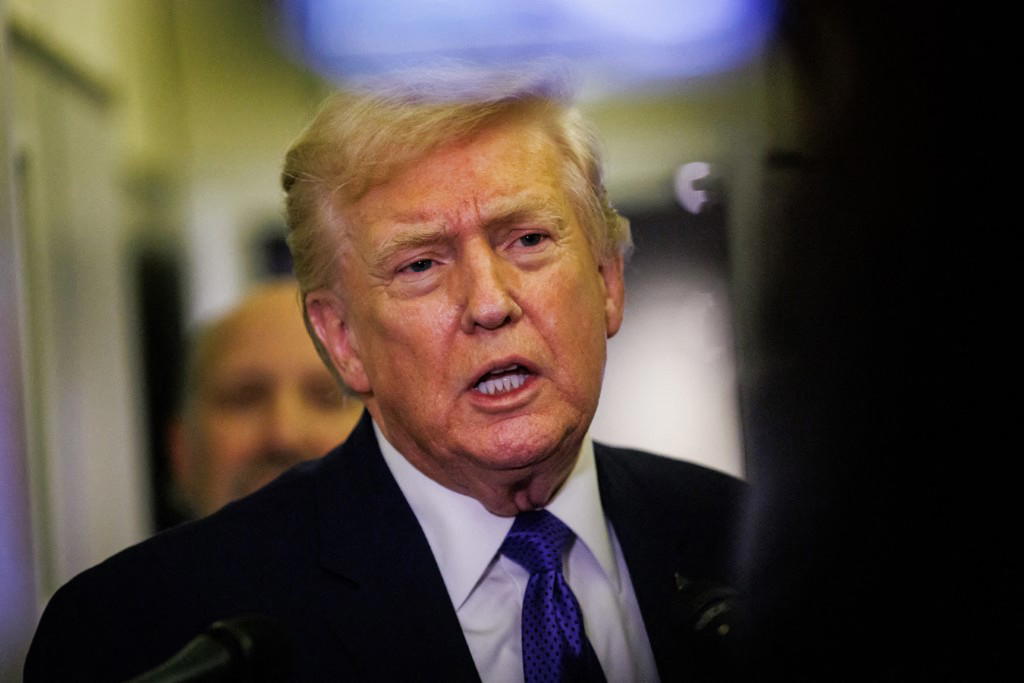
US President Donald Trump's urgent call for an immediate ceasefire between Israel and Iran underscores escalating tensions in the region, particularly after the recent exchanges of fire that broke a fragile April truce. The renewed hostilities threaten not only the bilateral relations between these nations but also broader regional stability, as both sides trade military strikes amid a backdrop of longstanding animosity.
Trump's outreach to Israeli Prime Minister Benjamin Netanyahu reflects a strategic move to mediate in a conflict that could spiral out of control. "Israel and Iran must immediately stop shooting," Trump stated, emphasizing the need for de-escalation. This statement signals the US's commitment to being an active player in Middle Eastern geopolitics, despite the complexities of alliances and enmities in the region.
Looking ahead, the potential for increased international scrutiny and possible diplomatic interventions looms large. As both nations grapple with domestic pressures and external expectations, the challenge remains whether they can return to a constructive dialogue or whether further military engagements will ensue, complicating the already volatile landscape of Middle Eastern politics.
