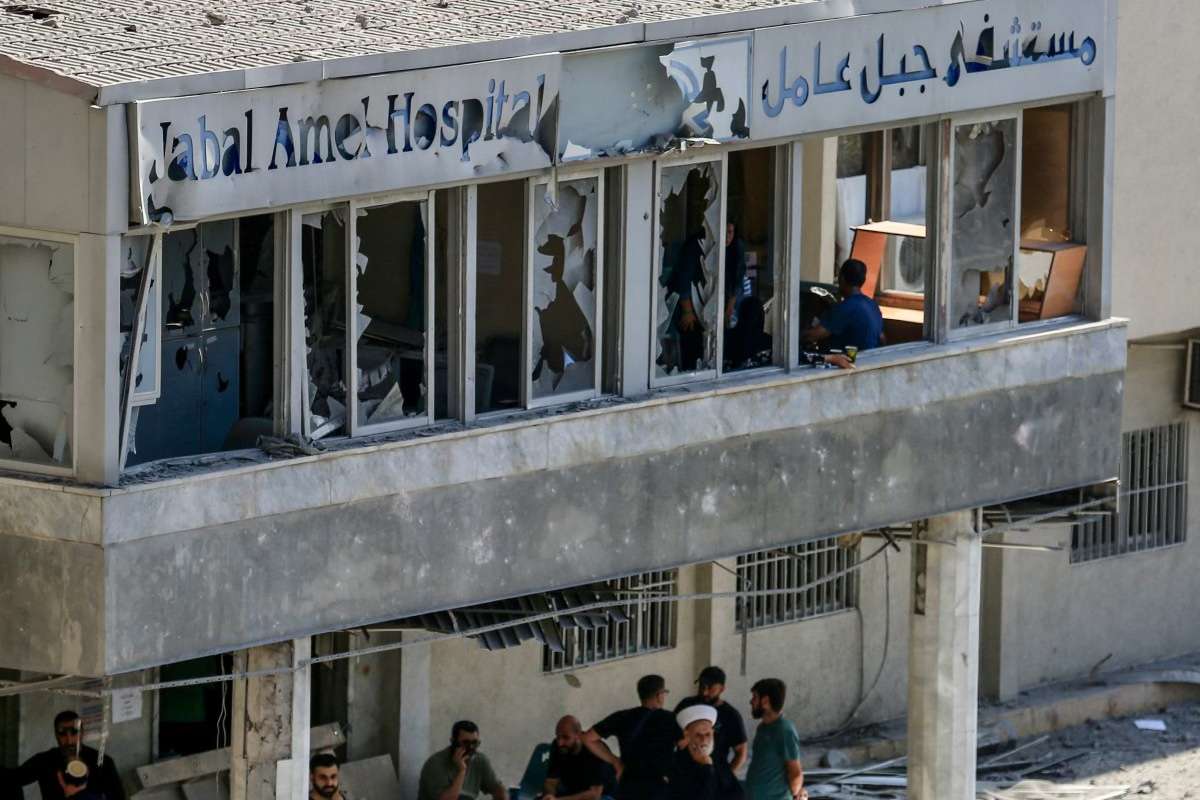
Despite a newly announced truce by US President Donald Trump, hostilities between Israel and Hezbollah persist, highlighting the fragility of peace in a region marred by conflict. On June 1, Trump declared an agreement aimed at reducing violence, yet both parties have refrained from officially endorsing the terms, casting doubt on their commitment to de-escalation.
Since the announcement, exchanges of fire have continued, with both sides blaming each other for escalating tensions. Analysts suggest that underlying issues, such as territorial disputes and political posturing, remain unresolved. "We have no intention of being sidelined by foreign declarations," stated a senior Hezbollah official, emphasizing their stance against external pressures. This sentiment reflects a broader skepticism towards international diplomacy in the region.
Looking ahead, the potential for renewed violence looms large, particularly if the current stalemate continues. As the situation evolves, the effectiveness of Trump's intervention will be tested, raising questions about the future of US involvement in Middle Eastern conflicts. The lack of trust between Israel and Hezbollah indicates that achieving lasting peace will require more than just declarations; it demands genuine dialogue and compromise.
