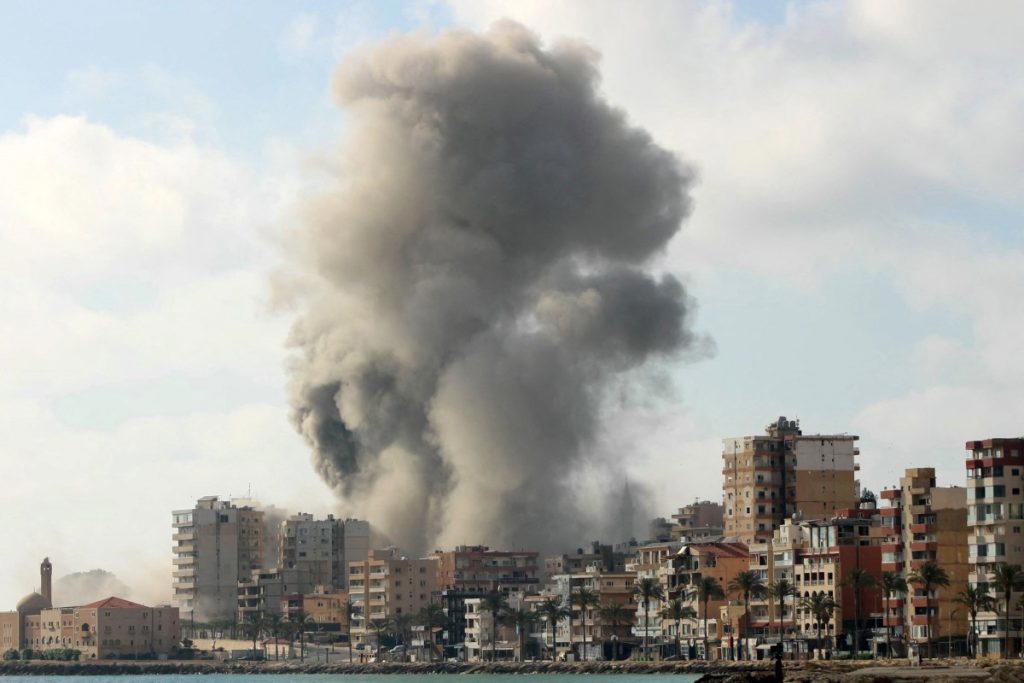
Tensions in the Middle East have reached a critical juncture as Israel and Hezbollah have reportedly agreed to a ceasefire, according to a U.S. official. This development comes amid ongoing hostilities that have sparked international concern and prompted the postponement of U.S.-Iran talks in Switzerland, which were intended to advance diplomatic efforts.
The ceasefire represents a significant shift in the dynamics of the conflict, which has seen both sides endure heavy casualties and economic strain. "We are hopeful that this ceasefire can lead to lasting peace in the region," said John Smith, a senior U.S. State Department official. The recent escalation has highlighted the fragile nature of security in the area and the complexities of international diplomacy, particularly with the absence of a new date for the postponed talks.
Looking ahead, the success of this ceasefire will depend not only on the commitments made by both Israel and Hezbollah but also on the broader international community's ability to facilitate genuine dialogue. The path to sustainable peace remains fraught with challenges, but this moment could be a pivotal opportunity for renewed negotiations and regional stability.