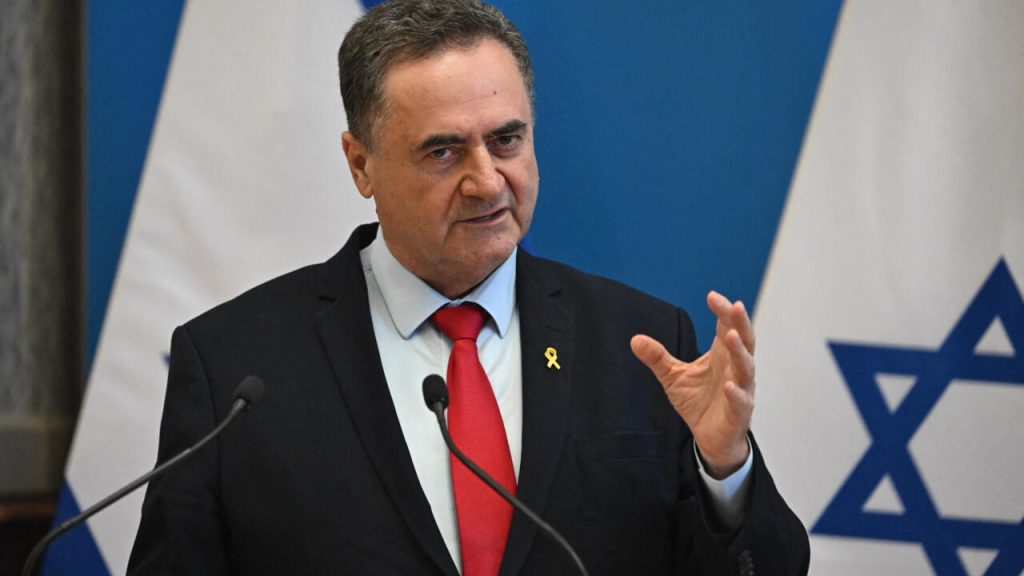
Israel's Defence Minister Yoav Gallant has escalated tensions in the region by asserting that "there will be no calm in Beirut" unless Hezbollah ceases its attacks. This statement comes amid rising hostilities between Israel and the Iranian-backed militant group, which has long maintained a significant presence in southern Lebanon. Gallant's remarks highlight Israel's intent to establish a military-controlled zone along the Litani River, a strategic move aimed at curbing Hezbollah's operational capabilities.
The backdrop of this announcement is a series of exchanges of fire, with both sides accusing each other of provocations. Analysts suggest that Israel's proactive stance may be a preemptive measure to deter further Hezbollah aggression, particularly as regional dynamics shift with ongoing conflicts in neighboring Syria. The potential for escalation remains high, drawing in various actors with vested interests in Lebanon's stability.
As tensions simmer, the international community watches closely. The ability of Hezbollah to respond to Israeli maneuvers will be pivotal in determining the next phase of this conflict. The situation underscores the fragile balance of power in the region and raises concerns about the implications for broader Middle Eastern stability.