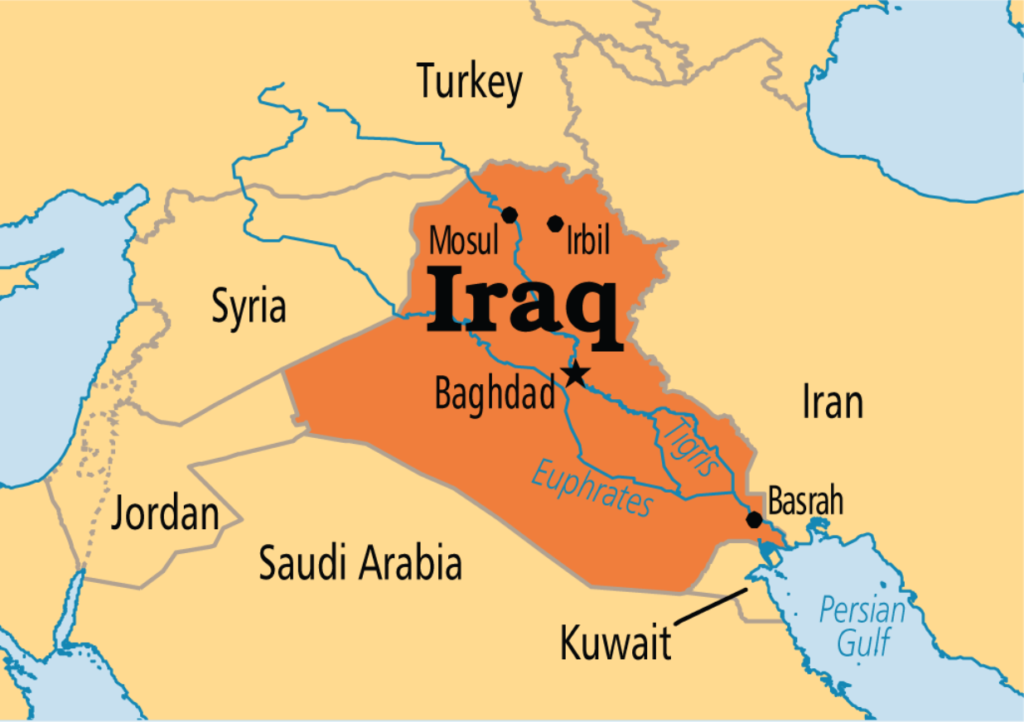
Iraq's political landscape is witnessing a significant shift as President Abdul Latif Rashid has nominated businessman Ali al-Zaidi as prime minister-designate, following endorsement from the main Shia alliance. This development comes amidst ongoing challenges in governance and security, reflecting a critical moment for Iraq's democracy after years of instability.
Al-Zaidi, a prominent figure in the business sector, is expected to bring a fresh perspective to the leadership, which many hope will address economic grievances and improve public services. His nomination signals a potential pivot towards more technocratic governance, a departure from the traditional political elites. “We need leaders who understand the economy and can unify our people,” stated Hadi al-Amiri, leader of the Shia alliance.
Looking ahead, al-Zaidi's ability to form a viable coalition government will be paramount. As Iraq faces heightened tensions and public discontent, the new prime minister must navigate complex sectarian dynamics while fostering national reconciliation. His success will hinge on addressing pressing issues such as corruption and infrastructure deficits, which could either stabilize or further polarize the country in the months to come.