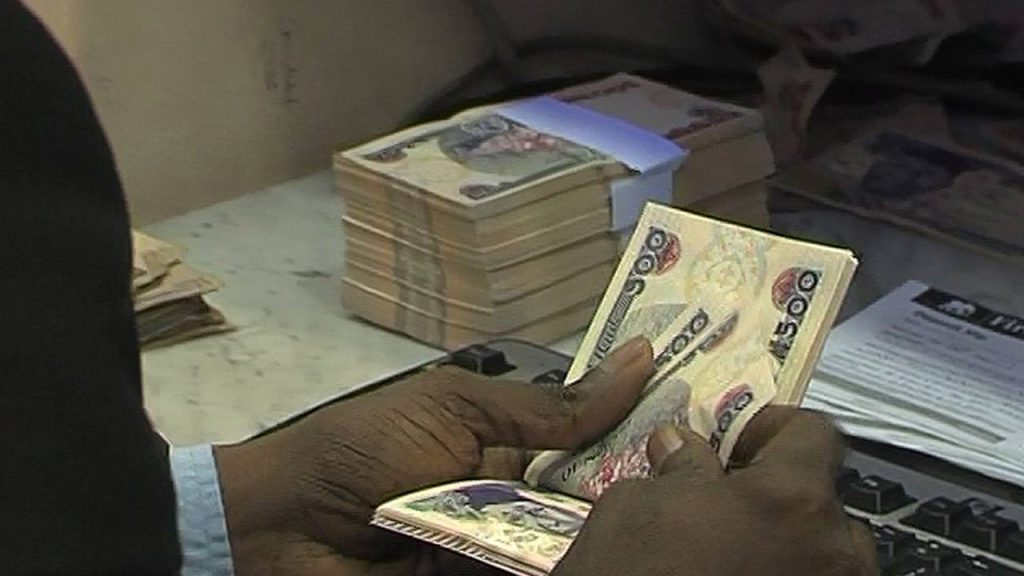
The ongoing conflict in Iran is exacerbating inflationary pressures across Africa’s largest economies, with Nigeria experiencing notable spikes in prices. As global oil prices surge due to supply disruptions, essential goods and services are becoming increasingly unaffordable for many households. In April 2026, Nigeria reported an inflation rate of 22.3 percent, a stark reminder of the fragile economic landscape that has been under strain since the pandemic.
Experts warn that this situation could further destabilize economies that are already grappling with high unemployment and inadequate infrastructure. "We are witnessing a ripple effect on food prices and transportation costs, which could lead to social unrest if not addressed promptly," said Dr. Amina Bello, an economist at the African Economic Research Consortium.
Looking ahead, the reliance on imported fuel and goods underscores the urgent need for African nations to diversify their economies and enhance local production capacities. If the conflict in Iran continues to disrupt oil supplies, African governments may need to implement robust fiscal policies to mitigate the impact of rising inflation on their citizens.