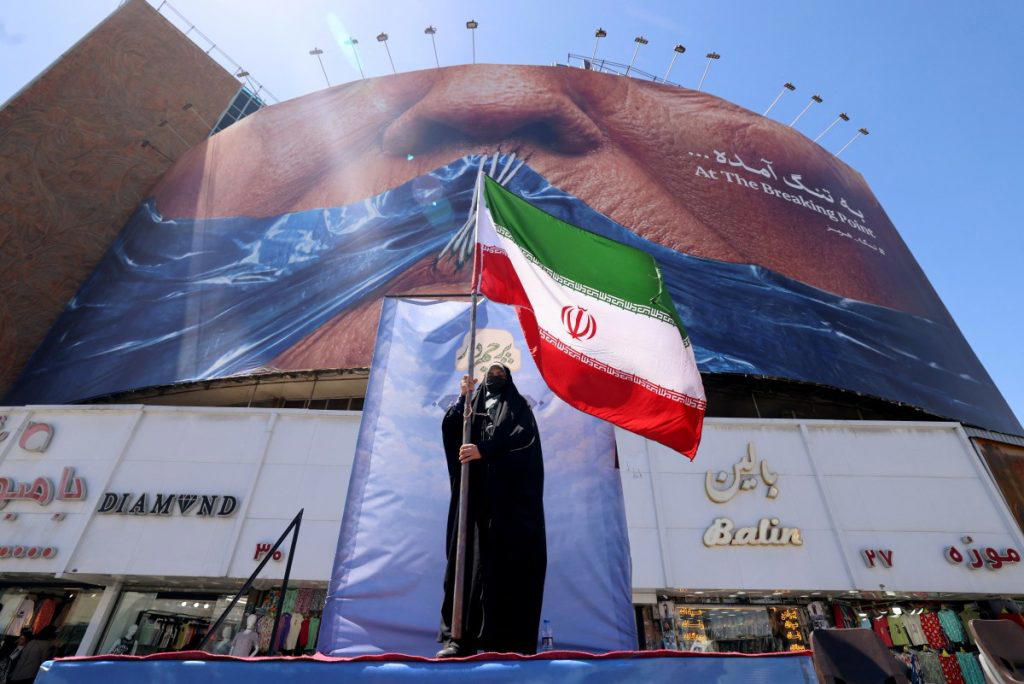
Israeli Prime Minister Benjamin Netanyahu's recent declaration that the conflict with Iran is "not over" underscores the persistent volatility in the Middle East. His insistence that Iran’s enriched uranium stockpile must be entirely eliminated signals a hardline stance that complicates diplomatic efforts. This statement comes amidst ongoing fears that Iran's nuclear ambitions could destabilize the region further, especially following the U.S. withdrawal from the nuclear deal in 2018 and subsequent escalations in hostilities.
Netanyahu emphasized, "As long as Iran continues to enrich uranium, the threat persists," reflecting a broader concern shared by Western allies regarding Iran's nuclear capabilities. The implications of this stance are profound, as it not only jeopardizes potential negotiations but also heightens tensions between Iran and Israel, further entrenching military posturing on both sides.
Looking ahead, the international community faces a critical juncture. As Iran continues its nuclear activities amid global scrutiny, the potential for conflict looms larger. Should diplomatic channels fail, the prospect of military confrontations remains a pressing concern, challenging stability in an already turbulent region.
