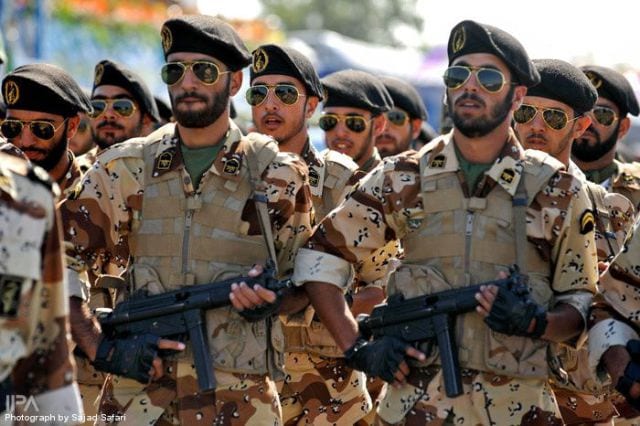
The resurgence of conflict in the Middle East, primarily driven by Iran's renewed military strikes, has sent shockwaves through global energy markets. After a brief ceasefire, hostilities have reignited, particularly around the strategically crucial Strait of Hormuz, a pivotal artery for oil transport where Iran and the United States vie for influence. The Iranian government has declared its intent to escalate military operations, further destabilizing an already volatile region.
Iranian Foreign Minister Hossein Amir-Abdollahian stated, "We will continue our strikes until our security is guaranteed against any foreign aggression." This declaration underscores Tehran's commitment to a robust defensive posture amidst escalating tensions. The renewed conflict poses significant risks not just to regional stability but also to global energy prices, which are already under pressure from supply chain disruptions.
Looking ahead, the cycle of retaliation between Iran and the U.S. could lead to a prolonged conflict, impacting global oil supplies and economic recovery efforts worldwide. Stakeholders must brace for continued volatility, as the geopolitical landscape is reshaped by this unfolding crisis.