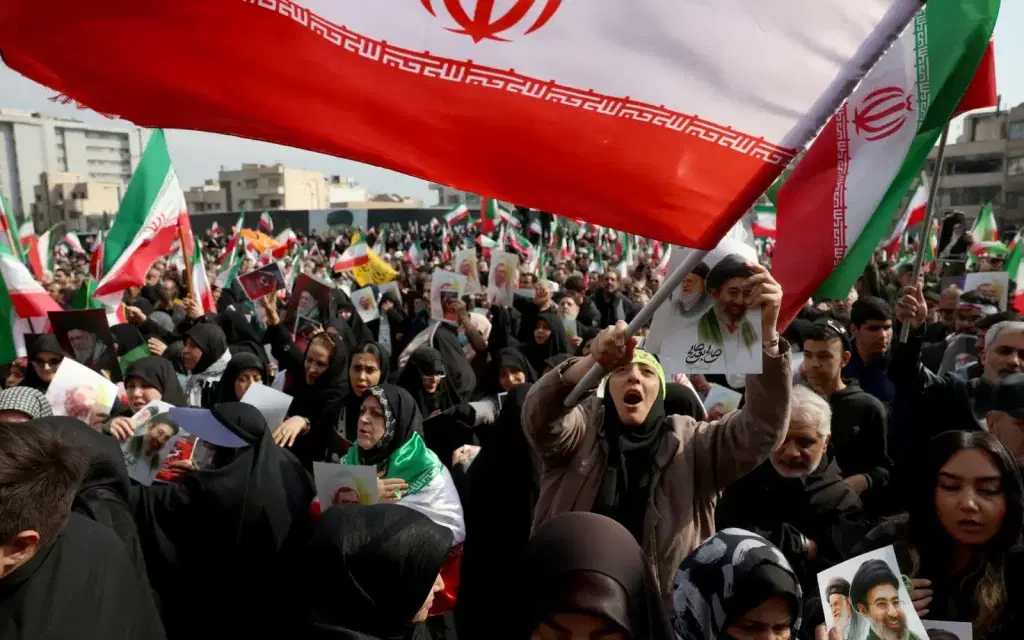
In a significant move indicative of Iran's ongoing crackdown on dissent, a university has expelled six students for their alleged roles in protests that erupted over cost-of-living issues and morphed into broader anti-establishment demonstrations. This wave of unrest, which began in December and peaked in January, saw students actively participating in rallies on campuses, expressing discontent with the regime's policies.
The expulsion is part of a broader government strategy to stifle dissent, particularly among youth who have been vocal against economic hardships and political repression. "The government aims to send a clear message: dissent will not be tolerated," said Ali Reza, a political analyst based in Tehran. This reflects a worrying trend in Iran, where educational institutions are increasingly becoming battlegrounds for political expression.
As the situation evolves, the implications for student activism in Iran are profound. The government’s actions may deter participation in protests, but they could also galvanize further resistance among a generation that is increasingly frustrated with systemic issues. The stakes remain high, and the outcomes of this repression could shape Iran's socio-political landscape in the coming months.