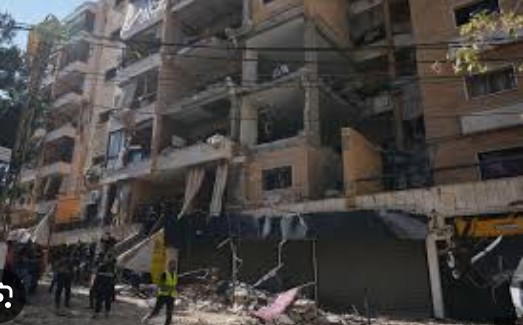
As the conflict in the Middle East marks its 100th day, Iran’s recent threats of retaliation against the United States and Israel following strikes in Beirut have compounded tensions in an already volatile region. This escalation comes amidst a backdrop of ongoing military engagements and diplomatic failures, raising concerns about a broader conflict.
Iranian officials have condemned the airstrikes, with Foreign Minister Hossein Amir-Abdollahian stating, “The aggressors will pay a heavy price for their actions.” This rhetoric underscores Tehran’s commitment to supporting its allies in Lebanon and beyond, further complicating international efforts to broker peace. The strikes have reportedly targeted militia positions, exacerbating fears of a regional conflagration.
As both sides prepare for potential escalation, the international community is left grappling with the implications of a prolonged conflict. The prospects for a ceasefire appear increasingly dim, with each side seemingly unwilling to back down. Observers warn that without proactive diplomacy, the situation could spiral further, engulfing neighboring countries and prolonging the humanitarian crisis affecting millions.
