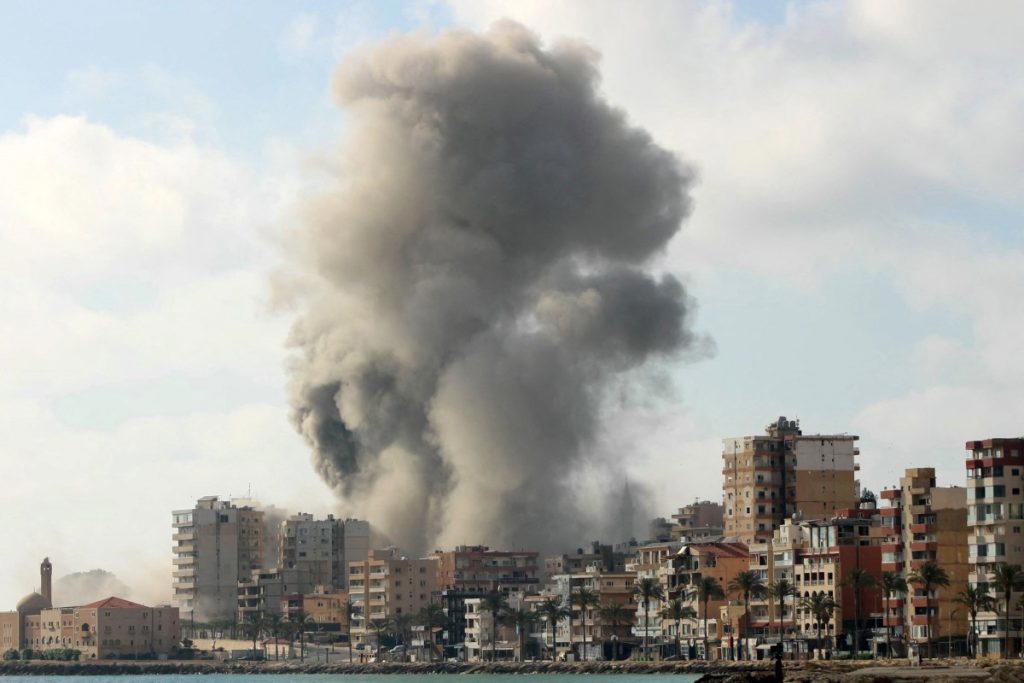
As the Middle East conflict marks its 100th day, tensions soar following a recent strike on Beirut that Iran has condemned. The attack, attributed to Israeli forces with possible U.S. support, has prompted Iranian leaders to announce potential retaliation, further complicating the already fragile security landscape in the region. This escalation comes amidst ongoing hostilities that have devastated civilian life and hindered peace efforts.
Iran’s Foreign Minister, Hossein Amir-Abdollahian, stated, "The United States and Israel will face the consequences of their aggression against our sovereignty." This statement underscores Tehran's commitment to retaliate and signals the potential for an expanded conflict that could draw in more regional players. The strike exemplifies the precarious balance of power, where each action could provoke a disproportionate response.
Looking ahead, the prospects for a peaceful resolution appear bleak. The cycle of retaliation may entrench existing hostilities, complicating diplomatic efforts. The international community must navigate these escalating tensions with caution, as any miscalculation could lead to a broader confrontation in an already volatile region. The stakes are high, and the consequences could reverberate far beyond the Middle East.