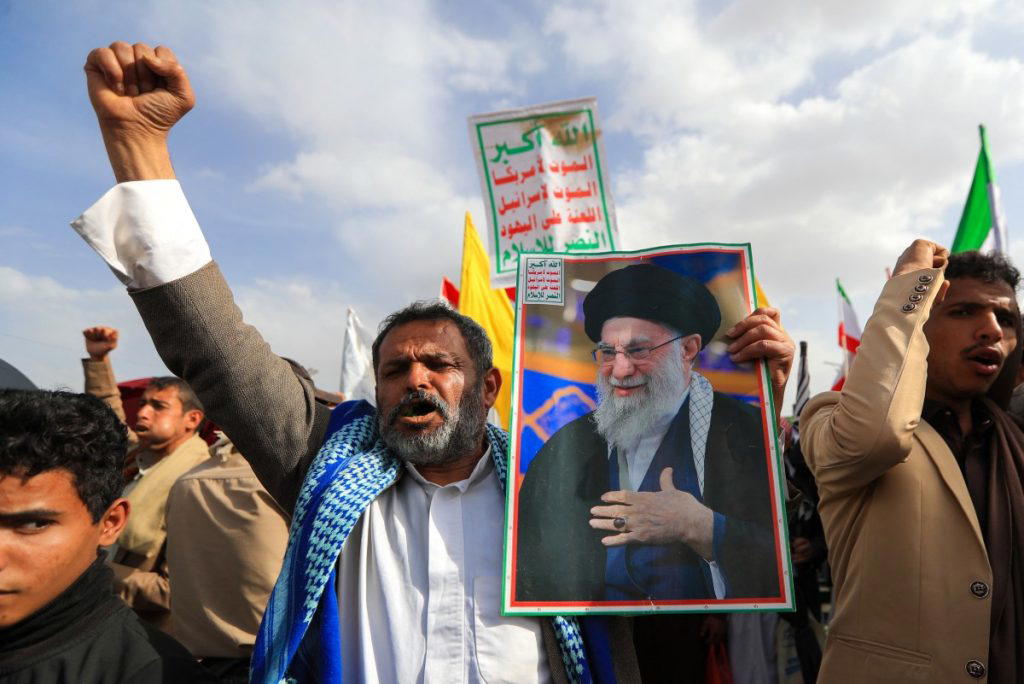
The political landscape in the Middle East is on edge following Iran's supreme leader's vow for revenge after the assassination of his father, an act attributed to a US-Israeli operation. This incident, which has reignited tensions between Iran and the West, comes just hours after President Donald Trump issued a stark warning against any further attempts on his life, emphasizing the precarious nature of regional stability.
The killing marks a significant escalation in the ongoing conflict between Iran and its adversaries, with the supreme leader asserting, "We will not rest until we hold accountable those responsible for this heinous act." This statement signals a potential shift in Iran's approach to foreign policy, as a retaliatory response could lead to broader military confrontations or proxy wars throughout the region.
As both sides navigate this volatile situation, the potential for miscalculation looms large. Analysts suggest that the response from Tehran could reshape alliances and provoke new rounds of conflict, affecting not only regional security but also global oil markets and diplomatic relations. The coming weeks will be critical in determining whether this cycle of violence can be contained or if it will spiral into a wider conflict.