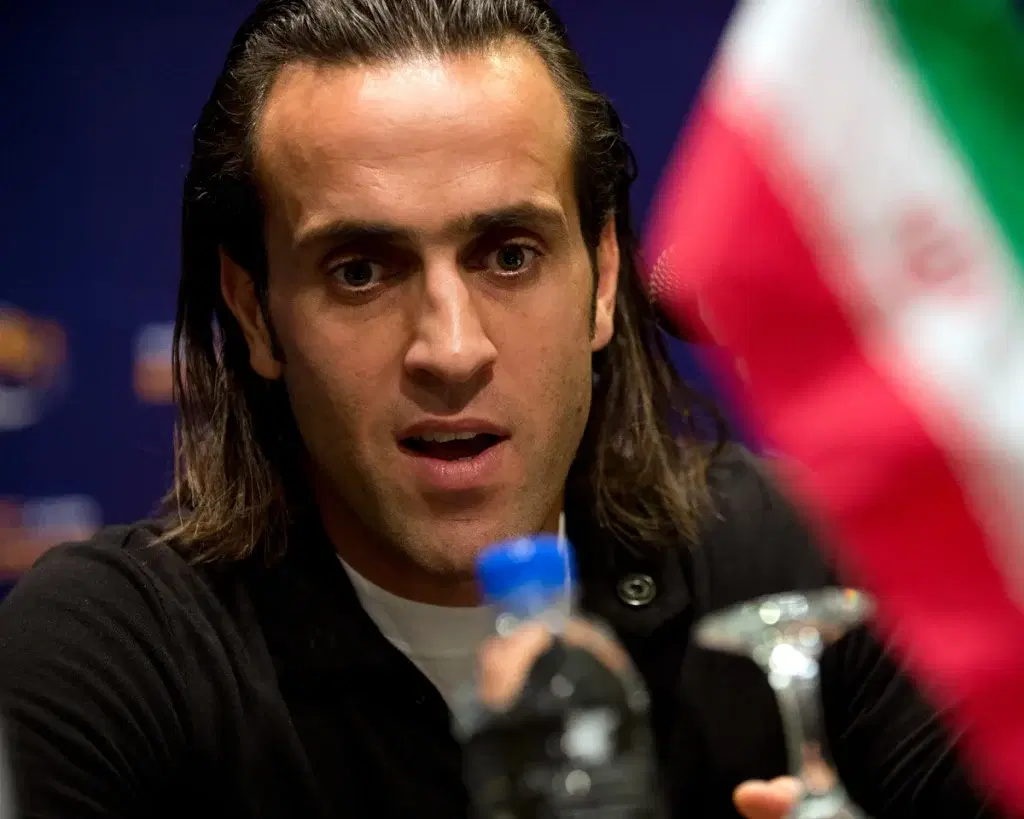
Iran's recent seizure of assets belonging to ex-football captain Ali Karimi underscores the regime's increasing intolerance for dissent among prominent figures. On May 11, the Iranian authorities announced the confiscation of six properties linked to Karimi, who has been living in exile and actively criticizing the Islamic Republic's policies. This move is seen as part of a broader crackdown on dissent, particularly targeting former celebrities who have become outspoken critics.
Karimi, celebrated for his achievements on the field, has transitioned into a vocal advocate for human rights and democracy. He has faced ongoing threats from the Iranian government, which views his public stance as a challenge to its authority. "The government is trying to silence voices of dissent, but we will not be intimidated," Karimi stated in a recent interview. His case highlights the precarious position of exiled Iranians who continue to engage with their homeland's political issues.
As the regime intensifies its efforts to suppress opposition, the international community will likely face pressure to respond to these actions. The situation raises critical questions about the safety of dissenters and the future of political discourse in Iran.