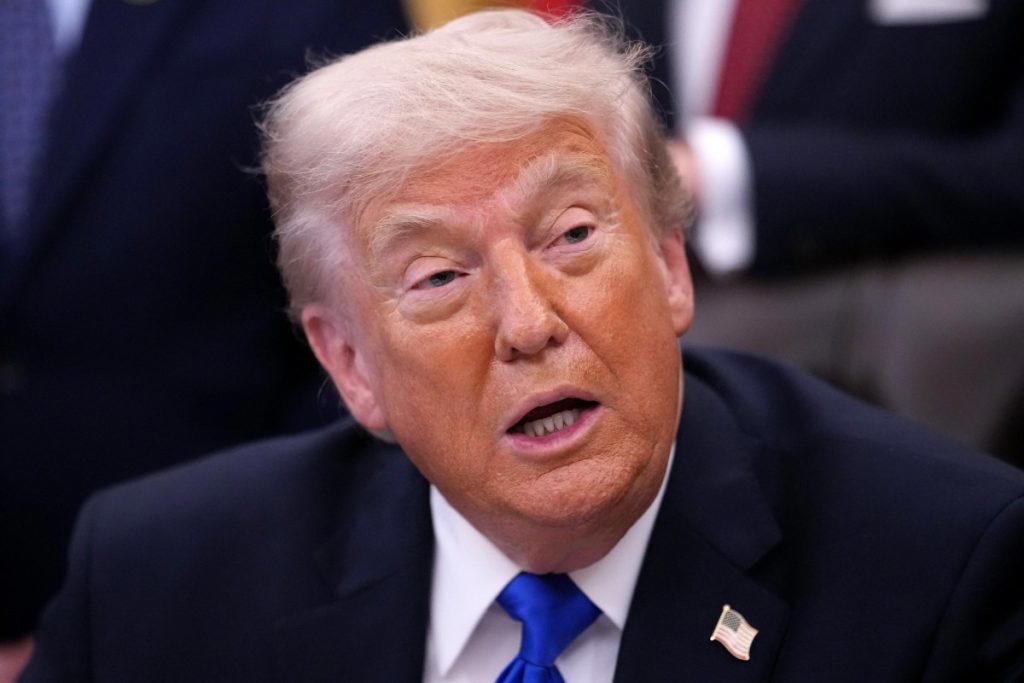
In a tense geopolitical climate, Iran's recent statement contradicts US President Donald Trump's optimistic claims about a pending peace deal. On June 12, 2026, Tehran clarified that no definitive agreement had been reached to resolve the ongoing Middle East conflict, despite Trump's assertion that a deal could be finalized within days. The U.S. leader's remarks followed his decision to cancel planned military strikes against Iran, indicating a potential shift in diplomatic strategy.
Iranian officials have consistently expressed skepticism toward U.S. intentions, emphasizing that any agreement must prioritize national security and regional stability. "We are open to dialogue, but it must be based on mutual respect," stated Foreign Minister Hossein Amir-Abdollahian, underscoring Tehran's cautious approach. As negotiations unfold, the delicate balance of power in the region remains at stake.
As both nations navigate this fraught landscape, the future of Middle Eastern diplomacy hangs in the balance. The potential for further escalation or, conversely, a breakthrough in relations depends on both sides' willingness to engage meaningfully, raising critical questions about regional security and international alliances.