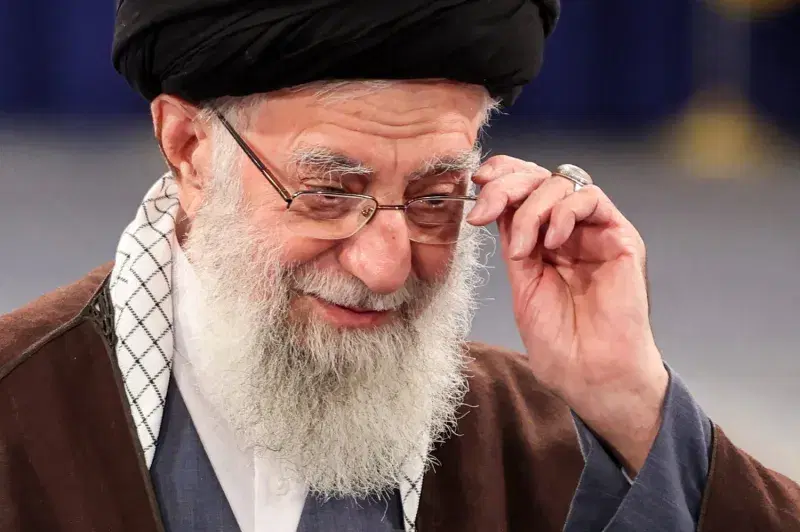
The impending burial of Iran's late Supreme Leader Ali Khamenei on July 9 marks a significant moment in the nation's political landscape, following his death on February 28, 2026. Khamenei, who had led Iran since 1989, was a pivotal figure in shaping the country’s domestic and foreign policies, particularly in its contentious relations with the West and its influence in the Middle East. His passing has left a power vacuum and raised questions about the future direction of the Islamic Republic.
Iranian authorities confirmed Khamenei's death on March 1, and since then, the regime has been grappling with succession issues amidst rising public dissent and economic challenges. "We are committed to maintaining the principles Khamenei stood for, but we must also address the people's demands for change," stated Mohammad Javad Zarif, former Foreign Minister.
As Iran prepares for a new phase, the leadership transition will be critical in determining whether the country will continue down its established path or seek to reform amid growing internal and external pressures. The upcoming burial will not only honor Khamenei's legacy but may also signal the beginning of a transformative era for Iran.