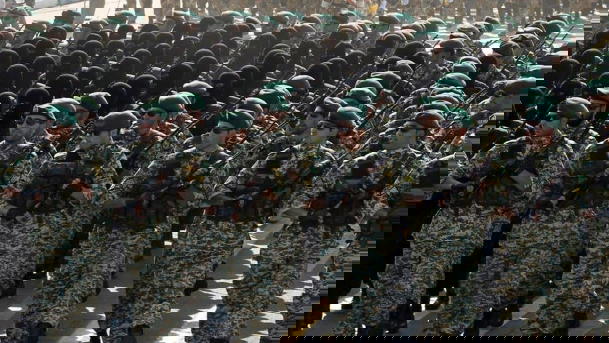
Tensions in the Middle East escalated as Iran's Islamic Revolutionary Guard Corps (IRGC) accused the United States of threatening global oil supplies due to its military presence in the strategically vital Strait of Hormuz. This waterway facilitates roughly 20 percent of the world’s oil trade, making it a critical point for energy security.
The IRGC's comments followed recent incidents in the strait, where U.S. naval forces have been actively monitoring Iranian shipping activities. "The U.S. military's provocative actions are a direct threat to global energy security," stated General Hossein Salami, commander of the IRGC. He emphasized that the U.S. should reconsider its approach to avoid escalating conflict in the region.
As market analysts watch the situation closely, the potential for disruption in oil supplies could lead to price volatility, affecting economies reliant on stable energy costs. With both nations entrenched in their positions, the path forward remains uncertain. Continued diplomatic efforts will be essential to mitigate risks, but the increasing rhetoric suggests that the road to a peaceful resolution could be fraught with challenges.