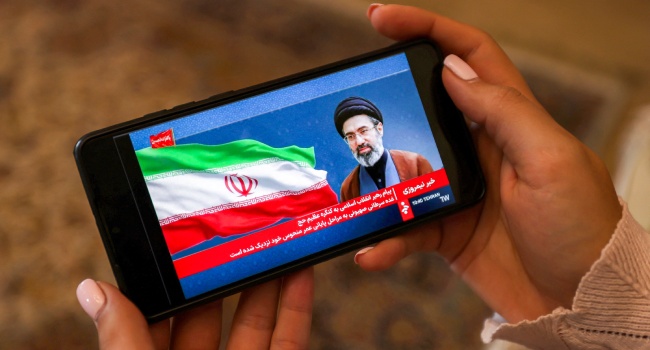
Iran is bracing for a monumental funeral for its slain Supreme Leader, Ayatollah Ali Khamenei, who was killed in a series of US-Israeli airstrikes that marked the onset of a devastating conflict on February 28. The Iranian leadership has vowed to honor Khamenei’s legacy, which spanned over three decades, during a ceremony expected to attract significant international attention.
The strikes that led to Khamenei's death have intensified the ongoing tensions in the Middle East, with various factions within Iran calling for retaliation against perceived aggressors. As Iran’s Foreign Minister, Hossein Amir-Abdollahian, stated, “The blood of our leader will not go unpunished.” This sentiment reflects the volatile atmosphere, as the nation grapples with internal divisions and external pressures.
Looking ahead, Khamenei’s funeral may serve as a catalyst for both mourning and mobilization, potentially reshaping Iran’s political landscape. The state’s ability to unify its populace in the wake of such loss could determine its response to ongoing threats and influence regional stability in the coming months. The world watches closely as Iran navigates this critical juncture.