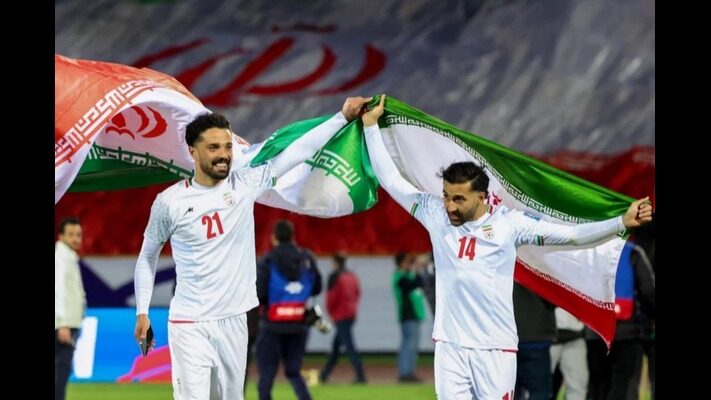
As the 2026 FIFA World Cup approaches, the U.S. has granted visas to Iran's national football team, while denying entry to certain officials, underscoring ongoing diplomatic tensions. The decision to allow players access reflects a nuanced approach to international sporting events, focusing on athletes rather than political figures.
Iran's players, who face immense pressure to perform, can now concentrate on their tournament preparation. However, the exclusion of officials highlights the U.S. government's cautious stance amid strained relations. "While we welcome the players, our policies remain firm regarding official access," said a U.S. State Department representative. This dichotomy illustrates the complexities of sports diplomacy, where the love for the game intersects with geopolitical realities.
As the tournament draws near, the implications of this visa policy may resonate beyond the pitch. The ability of athletes to bridge cultural gaps while political tensions linger presents a unique opportunity for dialogue. Observers will be keenly watching whether this sporting engagement can foster a more constructive relationship between the U.S. and Iran, even as challenges remain. The world will hold its breath to see how football can transcend borders and politics during this global event.