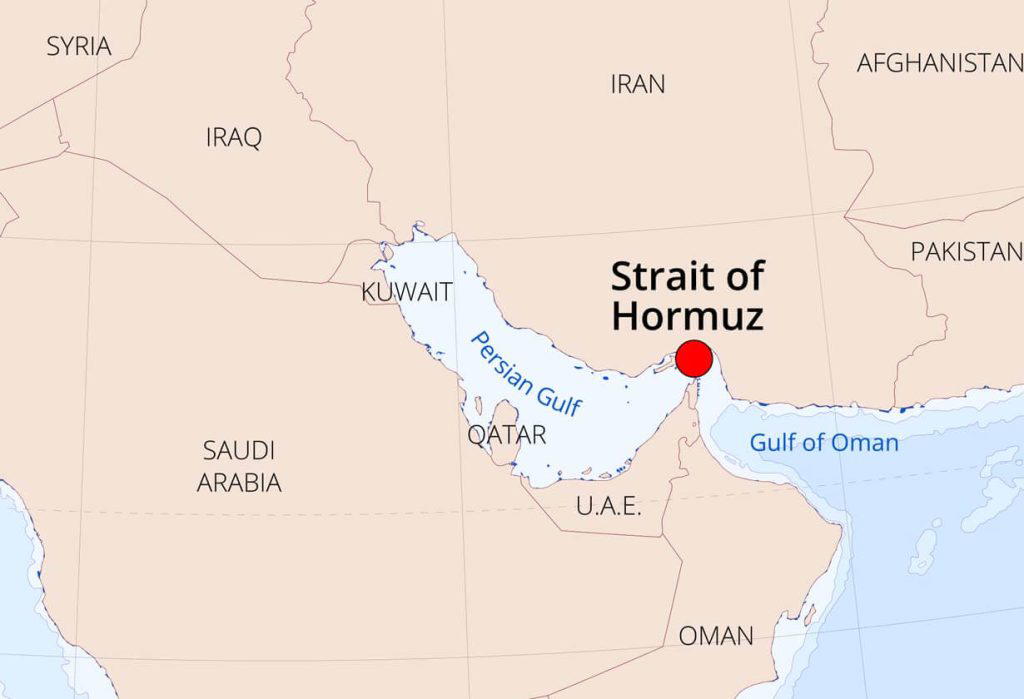
Iran's recent establishment of a new body to manage the Strait of Hormuz marks a significant escalation in its control over one of the world's most vital maritime chokepoints. This strategic move is designed to regulate maritime traffic and impose charges on vessels passing through, reflecting Tehran's ongoing efforts to assert its influence amid rising regional tensions.
The Strait of Hormuz, through which nearly a fifth of the world's oil passes, has long been a flashpoint for geopolitical strife. Iran's decision comes as it faces increasing pressure from international sanctions and a need to bolster its economic sovereignty. "This initiative is essential for ensuring maritime security and protecting our national interests," stated Amir Abdollahian, Iran's Foreign Minister.
Looking ahead, the implications of this development could be profound. As Iran tightens its grip on maritime navigation, shipping routes may experience increased costs and delays. Additionally, this move could provoke further tensions with Western nations and regional rivals, potentially leading to military confrontations in a landscape already fraught with volatility. The international community will be closely monitoring how this new body operates and the broader ramifications for global trade and security.