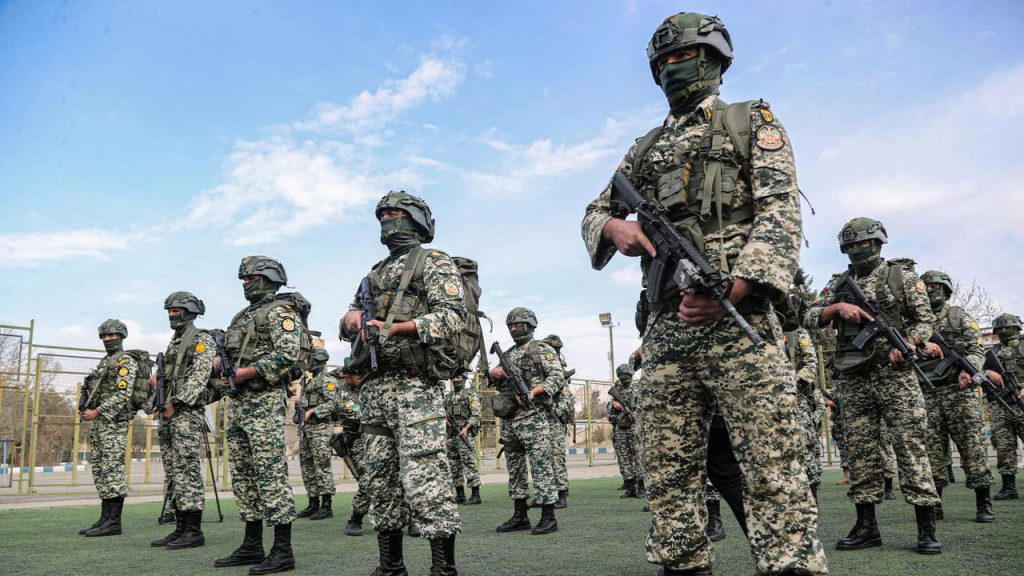
The ongoing conflict between Iran, the United States, and Israel has escalated tensions in the strategically vital Strait of Hormuz, with Iran asserting control over the waterway since late February. This blockade is a significant maneuver amidst the mounting military confrontations, impacting global oil shipping routes and raising concerns about economic repercussions worldwide.
Iran's military leaders claim that maintaining control over Hormuz will not only bolster national security but also generate substantial economic revenues. Major General Mohammad Hossein Bagheri, the Chief of Staff of the Iranian Armed Forces, stated, "Our control over the Strait of Hormuz will ensure economic stability and increase our leverage in global markets." This assertion underscores Iran's strategic intent to leverage its geographical advantage amid the ongoing conflict.
As the situation unfolds, analysts predict that prolonged control over Hormuz could lead to increased oil prices and heightened geopolitical tensions. The world watches closely, as further escalations could disrupt international trade and provoke reactions from other global powers, reshaping the economic landscape in the region and beyond.