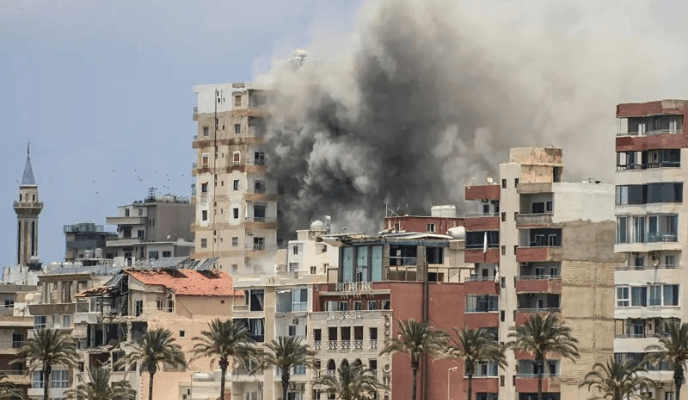
The recent halt of hostilities between Iran and Israel marks a significant turning point in a region plagued by escalating violence. Israel's offensive against Lebanon had reignited fears of a broader conflict, drawing international scrutiny and condemnation. As the ceasefire took hold, both nations faced mounting pressure to de-escalate tensions, with Lebanon caught in the crossfire.
Key developments included Iran's strategic positioning and support for Hezbollah, which has long been at odds with Israel. Experts warn that any misstep could reignite hostilities. "We need to prioritize dialogue over aggression," stated Amir Abdollahian, Iran's Foreign Minister, emphasizing the importance of diplomatic engagement in the region.
Looking ahead, the current lull offers a fragile opportunity for peace talks. However, the underlying tensions remain unresolved, and stakeholders must navigate a complex landscape of alliances and hostilities. The potential for renewed conflict looms large, making it imperative for both Iran and Israel to commit to long-term solutions rather than temporary ceasefires. The coming weeks will be critical in determining whether this pause can evolve into a more enduring peace.