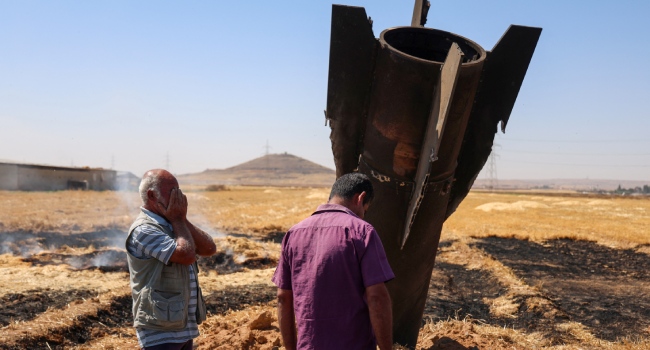
In a significant escalation of hostilities, Iran and Israel exchanged fire for the first time since a fragile truce, reigniting tensions in the region. Overnight, Iran launched a series of missile strikes targeting Israeli territory, prompting a swift retaliation from Israel, which targeted military installations within Iran. This incident underscores the precarious balance of power in the Middle East, where longstanding animosities frequently flare into open conflict.
Israeli Prime Minister Benjamin Netanyahu’s decision to respond aggressively, despite calls for restraint from U.S. President Donald Trump, illustrates a growing divergence between Israeli and American strategies. “We will continue to defend our nation against any threats,” Netanyahu stated, emphasizing Israel’s commitment to its security.
The implications of this clash extend beyond immediate military concerns. It raises questions about the stability of the region and the effectiveness of diplomatic efforts to mitigate conflict. As both nations brace for potential further escalation, the international community watches closely, aware that this confrontation could reshape alliances and provoke broader instability in an already volatile landscape.