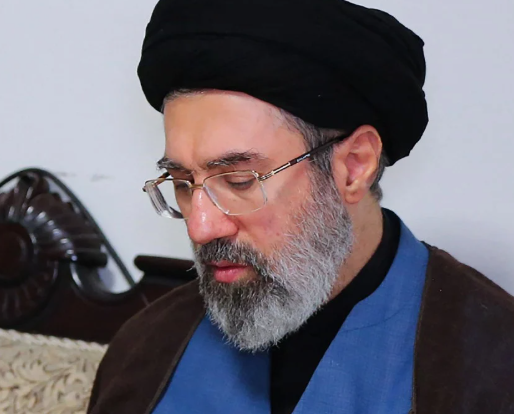
Iran's recent insistence on its right to enrich uranium signals a critical juncture in its negotiations with the United States, highlighting the complexities of international diplomacy. As President Donald Trump announced the readiness of a draft accord, Iran's leadership reiterated its staunch position, emphasizing that any agreement must respect its nuclear ambitions and control over the strategically vital Strait of Hormuz.
Iranian Foreign Minister Hossein Amir-Abdollahian stated, "We will not compromise on our right to enrich uranium, as it is fundamental to our national interests." This assertion underscores Iran's determination to maintain its nuclear program despite ongoing tensions and the potential implications for regional security. The Strait of Hormuz, through which a significant portion of the world’s oil supply passes, remains a critical leverage point for Iran, allowing it to assert influence in the Gulf.
Looking ahead, the dynamics of these negotiations will shape not only U.S.-Iran relations but also the broader geopolitical landscape in the Middle East. As both sides navigate their positions, the potential for either escalation or a diplomatic breakthrough looms large, making close monitoring of developments essential.