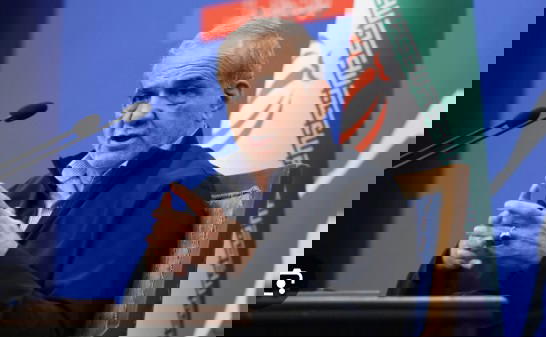
Iranian President Masoud Pezeshkian's declaration of a "full-scale war" with the United States marks a significant escalation in tensions between the two nations. This statement comes in the wake of ongoing military confrontations, economic sanctions, and a deteriorating diplomatic landscape. The backdrop includes the U.S. withdrawal from the nuclear deal and heightened military presence in the region, fueling fears of a broader conflict.
Pezeshkian emphasized that Iran must "accept the repercussions of the conflict," indicating a readiness to confront U.S. actions head-on. This rhetoric reflects a shift in Iranian strategy, as the government seeks to galvanize domestic support and unify its populace against external threats. The implications of this stance are profound, as it signals a potential for increased hostilities in the Middle East, impacting global oil markets and security alliances.
Looking ahead, the international community must grapple with the consequences of this escalating conflict. Should diplomatic efforts fail, the possibility of a direct military confrontation between Iran and the U.S. looms large, raising urgent questions about regional stability and the future of international relations in the area.