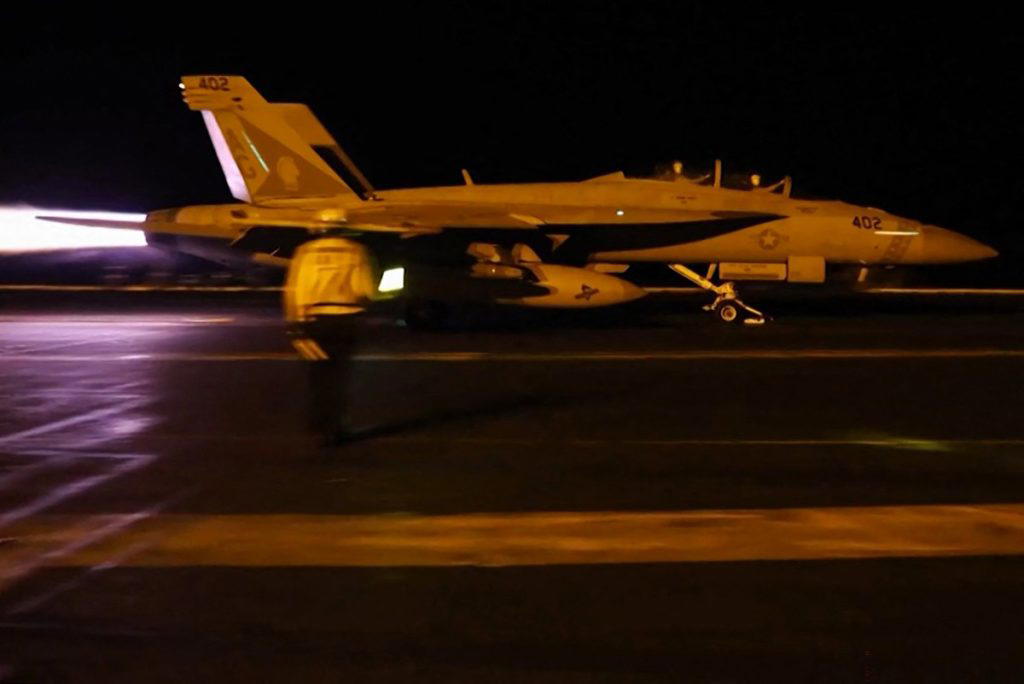
The escalating conflict between the United States and Iran has intensified, marked by renewed strikes that have claimed three American lives and targeted ships in the vital Strait of Hormuz. This critical waterway, through which a significant portion of the world's oil supply passes, has become a flashpoint for regional tensions. Iran's rhetoric has sharpened, with officials accusing Gulf neighbors of complicity in U.S. aggression.
On Monday, Iran's Foreign Minister, Hossein Amir-Abdollahian, stated, "Our neighbors must understand that their alignment with U.S. interests will not bring them security." This sentiment reflects Tehran's growing frustration with what it perceives as a united front against it, fueled by American military support to Gulf allies. The implications of these strikes are profound, potentially disrupting global oil markets and heightening military readiness among regional powers.
As the situation unfolds, the potential for further escalation remains high. The U.S. may increase its military presence in the region, while Iran could retaliate with asymmetric tactics. The international community must closely monitor these developments, as any miscalculation could lead to a broader conflict with dire global repercussions.