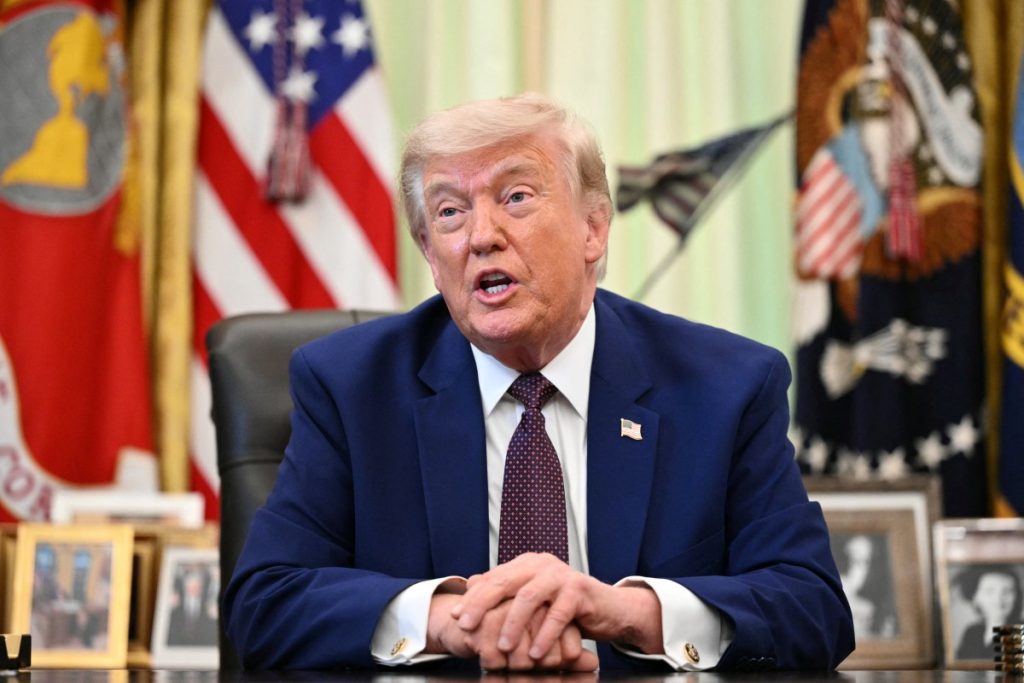
US President Donald Trump's recent statement that Iran retains "21, 22 percent" of its missile arsenal highlights ongoing tensions in the region, particularly as Tehran launches missiles despite a fragile ceasefire. This assertion comes amid a backdrop of heightened military activity and diplomatic uncertainty, with Iran's missile capabilities remaining a focal point of international concern.
In recent weeks, Tehran has demonstrated its willingness to project power by targeting regional adversaries, raising alarms about the potential escalation of conflict. The situation is further complicated by the complex web of alliances and enmities in the Middle East, where both Iran and the US are deeply entrenched. As Trump noted, "Iran continues to threaten its neighbors, and we must remain vigilant."
Looking ahead, the implications of Iran's missile capabilities will shape future diplomatic negotiations and security strategies in the region. The potential for renewed hostilities looms large, prompting questions about the efficacy of existing ceasefire agreements and the role of international actors in mediating peace. As the situation evolves, stakeholders will need to balance deterrence with the pursuit of diplomatic solutions to avoid further escalation.