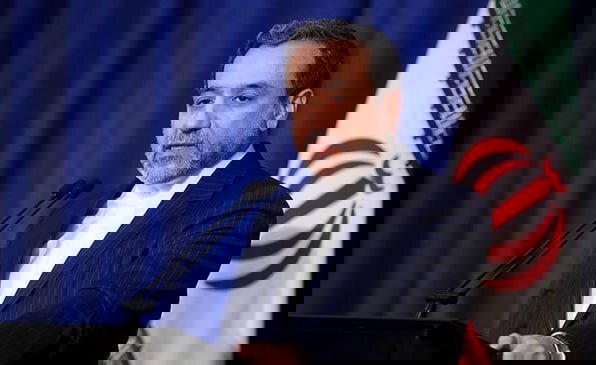
Iran has firmly rejected the possibility of a meeting between its supreme leader and former U.S. President Donald Trump, following Trump's recent suggestion. Iranian Foreign Minister Abbas Araghchi made it clear that such an encounter is unrealistic, emphasizing that the U.S. must first change its approach towards Iran. This dismissal comes at a time when tensions between the two nations remain high, exacerbated by ongoing disputes over nuclear negotiations and sanctions.
The relationship between the U.S. and Iran has been strained since Trump withdrew from the 2015 nuclear deal, leading to escalating hostilities. In his remarks, Araghchi stated, "We will not engage in negotiations under pressure; the U.S. needs to prove its commitment to dialogue." His words underscore Iran's demand for a fundamental shift in U.S. policy before any diplomatic interactions can occur.
Looking ahead, the refusal to entertain Trump's overture suggests that significant barriers remain to any rapprochement. Without a change in U.S. strategy, prospects for meaningful dialogue appear bleak, leaving both nations at an impasse that could have broader implications for regional stability.