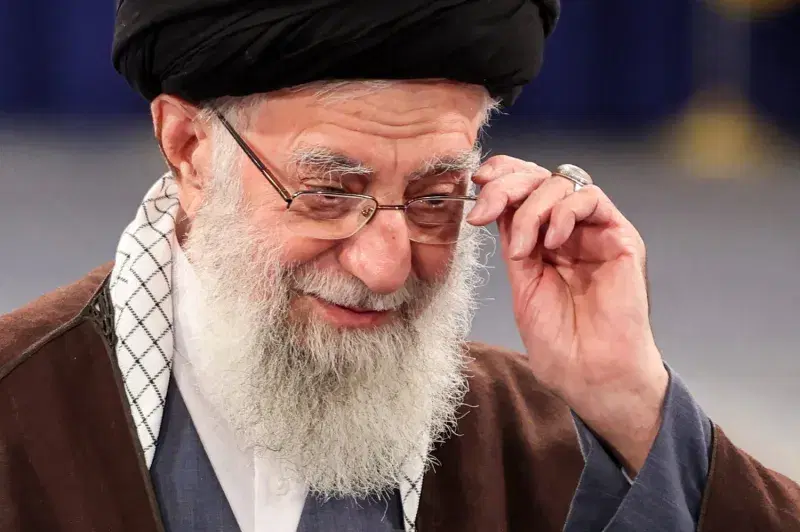
The death of Iran's Supreme Leader Ayatollah Ali Khamenei has sent shockwaves through the nation, igniting a call for vengeance amid escalating tensions in the region. Khamenei, a pivotal spiritual leader for Shia Muslims, was assassinated on February 28, coinciding with the onset of a new war that threatens to destabilize the already fragile political landscape of Iran. In a recent statement, Iran's chief negotiator, Ali Bagheri Kani, urged citizens to honor Khamenei's legacy with a massive turnout at his funeral, asserting, "We must show the world our unity and strength in this time of mourning."
The implications of Khamenei's death are profound, potentially shifting the balance of power within Iran and impacting its foreign relations, particularly with Western nations. As factions vie for influence, the call for vengeance may stoke further violence and unrest both domestically and in neighboring countries.
Looking ahead, the Iranian government's response will be crucial in shaping the future of its political environment. How the regime manages public sentiment and addresses the vacuum left by Khamenei's death will likely dictate the trajectory of Iran's internal stability and its role on the global stage.