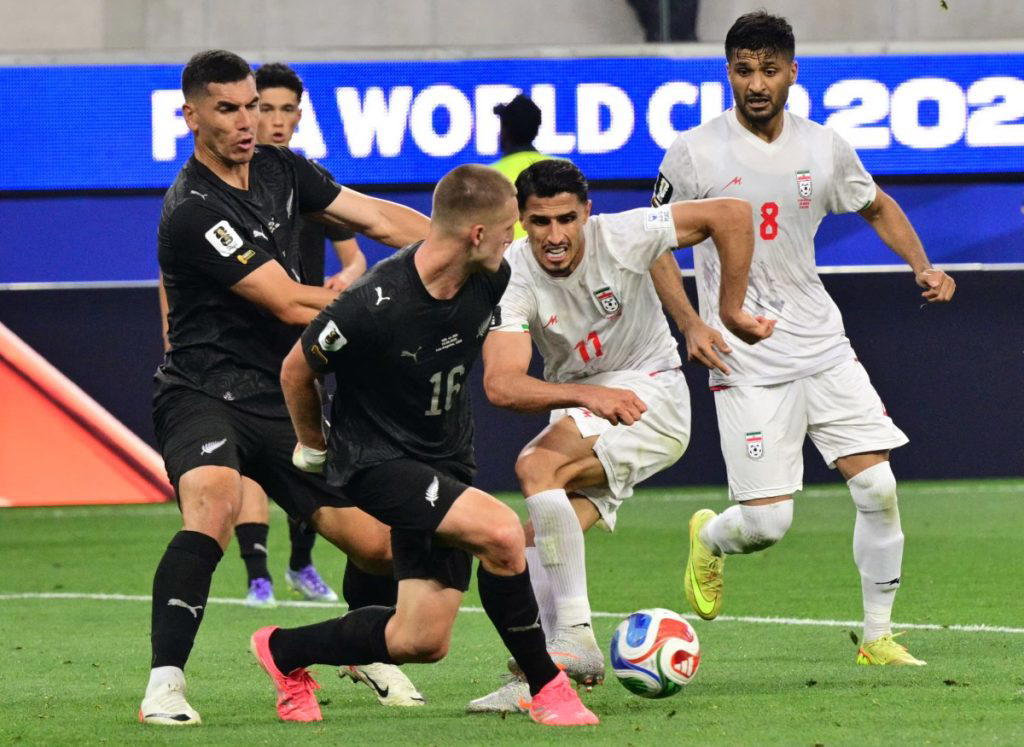
Iran's World Cup campaign commenced under a cloud of turmoil, marked by a 2-2 draw against New Zealand that reflected the nation's ongoing struggles with war, political unrest, and widespread protests. This match, part of a tournament that has been overshadowed by these issues, showcased Iran's resilience as they fought back twice to level the score, yet it also highlighted the stark contrasts between sportsmanship and a nation in crisis.
In a pre-match statement, Iranian captain Alireza Jahanbakhsh commented, "We play for our people who are suffering. Every goal is a reminder of their pain and hope." His words underscore the athletes' dual role as representatives of their country and symbols of resistance against adversity. The draw, while a respectable start, does little to alleviate the scrutiny faced by the Iranian team, which finds itself at the intersection of international sport and domestic turmoil.
Looking ahead, Iran's journey in the World Cup poses significant questions about how sport can serve as a platform for change and unity amidst conflict. As the tournament progresses, all eyes will be on whether the team can translate their on-field efforts into a rallying point for national pride and solidarity.