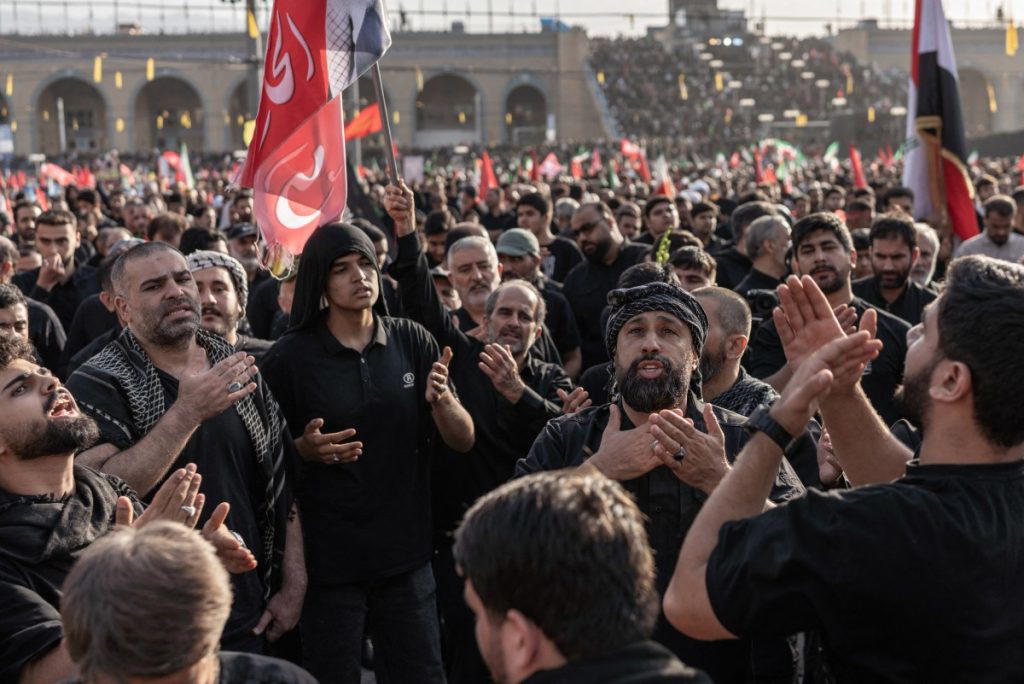
The attendance of Iranian-backed groups Hezbollah and Hamas at the funeral ceremonies for Supreme Leader Ali Khamenei underscores the deep-seated alliances within the axis of resistance against perceived Western hegemony. The presence of Hamas, represented by its political bureau head Mohammed Darwish, signals a commitment to maintaining these ties amid regional turbulence.
Khamenei’s death marks a significant transition for Iran, a country that has supported these groups with military and financial aid. This event may alter the dynamics of power in the Middle East, as factions jockey for influence in a post-Khamenei landscape. "We stand united with our allies in these challenging times," stated Darwish, emphasizing solidarity among anti-Israel factions.
As Iran navigates its leadership transition, Hezbollah and Hamas are likely to reassess their strategies and alliances, potentially reshaping regional conflicts. Observers should remain vigilant for shifts in rhetoric and military posturing, as these developments could further escalate tensions in the region. The evolving scenario may also influence international diplomatic efforts aimed at stabilizing the Middle East.