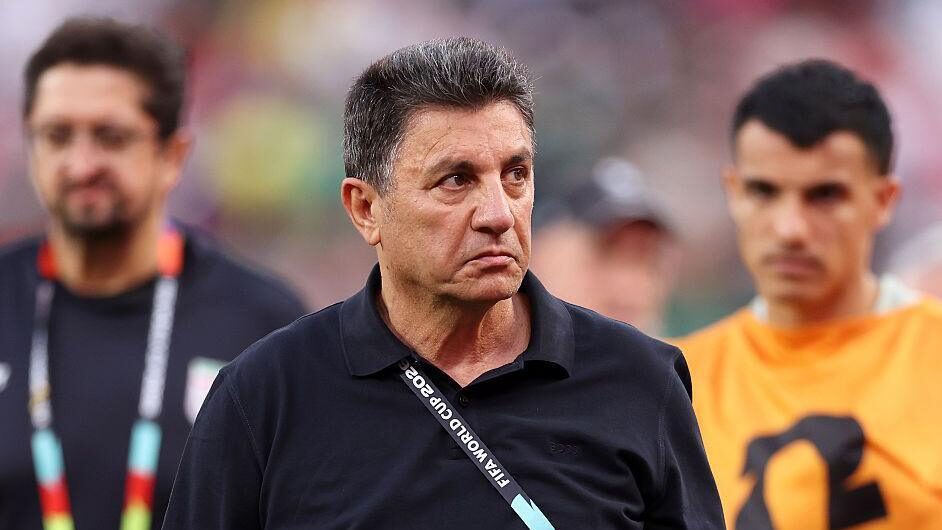
As the FIFA 2026 World Cup unfolds, Iran's head coach Amir Ghalenoei has ignited controversy by labeling his team the “most oppressed” in the tournament. This provocative statement highlights the political backdrop surrounding Iranian football, where athletes often face scrutiny and pressure both domestically and internationally. The team’s participation comes against the backdrop of widespread protests at home, challenging the Iranian regime and its policies.
Ghalenoei's comments resonate deeply with players who have felt the weight of their national identity and the burdens of political turmoil. "We are here to play football, yet we carry the struggles of our people," he stated, emphasizing the emotional toll on his squad. This sentiment reflects a broader narrative where sports often serve as a platform for political expression, especially in repressive regimes.
As the tournament progresses, Iran's performance on the field will be closely watched, not just for the game itself but for its potential to amplify the voices of the oppressed. The global audience may witness not only a display of athletic prowess but also a poignant reminder of the intersection between sports and socio-political realities.