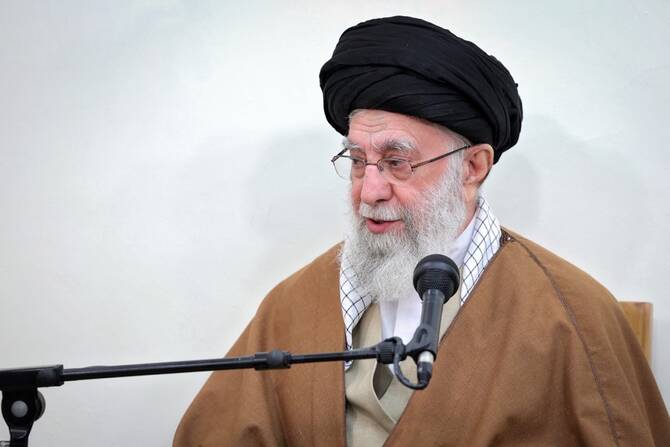
Iran has declared three days of public holidays in Tehran to honor the late Supreme Leader Ayatollah Ali Khamenei, who passed away recently. This decision reflects the significant role Khamenei played in shaping Iran's political landscape over his decades-long leadership. His death marks a crucial turning point for the Islamic Republic, raising questions about the future direction of its governance and influence both domestically and internationally.
Khamenei's tenure has been characterized by strict adherence to Islamic principles and resistance against Western powers, particularly the United States. Analysts predict that his successor will face immense pressure to maintain the regime's stability while navigating the evolving geopolitical landscape. "The next leader will need to balance internal dissent with external pressures," noted Dr. Leila Sadat, a political analyst at Tehran University.
As the nation prepares for Khamenei's funeral, all eyes will be on the succession process. This transition could either consolidate existing power structures or open the door for reformist voices. The coming days will be pivotal in determining how Iran positions itself on the global stage in the post-Khamenei era.