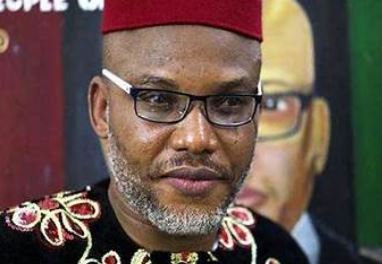
The Indigenous People of Biafra (IPOB) has recently justified the expulsion of its former leaders from the dissolved Third Directorate of State (DOS), marking a significant shift in the organization’s internal dynamics. This move comes amid allegations of betrayal and misconduct leveled against the ousted members, which IPOB asserts undermined the group's objectives. Solomon Egbo, Deputy Head of the newly formed Fourth DOS, stated, “We cannot tolerate disloyalty at this critical time; our mission for Biafra’s independence must remain untainted by betrayal.”
The expulsion signals ongoing tensions within IPOB, a separatist group advocating for the creation of an independent Biafran state. This internal conflict raises questions about leadership stability and the overall effectiveness of the movement. The new leadership aims to consolidate power and reinforce its agenda, particularly as it faces scrutiny from both government entities and internal factions.
Looking ahead, IPOB's ability to unify its ranks while maintaining its commitment to its cause will be crucial. The group must navigate these challenges carefully to sustain its momentum and legitimacy within the broader quest for self-determination in Nigeria.


