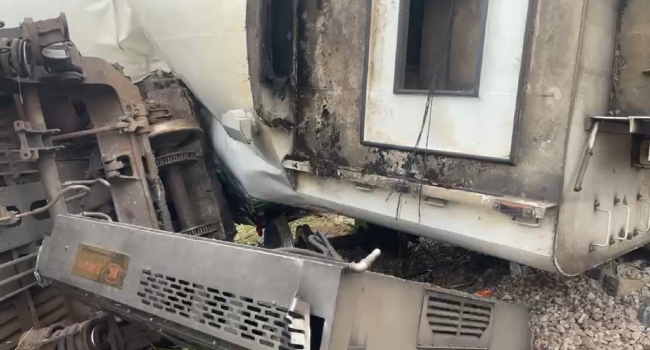
The recent train crash in Delta, Nigeria, which left four coaches capsized and one derailed, has sparked an urgent investigation as wreckage clearing operations proceed. Among the 482 individuals onboard, including passengers and crew, the incident raises significant concerns about railway safety standards in the country.
Authorities are grappling with the implications of this disaster, particularly as it follows a series of railway accidents that have underscored systemic issues in infrastructure maintenance. "We are committed to uncovering the root causes of this tragedy to ensure it never happens again," stated Engr. Abubakar M. Ahmed, the Director of Nigeria Railway Corporation. His remarks highlight a growing awareness of the need for reform in the rail sector, which has been plagued by neglect and underfunding.
As investigations unfold, it is critical for stakeholders to prioritize safety enhancements and accountability measures. The government must not only address immediate concerns but also implement long-term strategies to restore public confidence in rail transport. The future of rail travel in Nigeria hinges on these necessary reforms, which could ultimately prevent further tragedies.