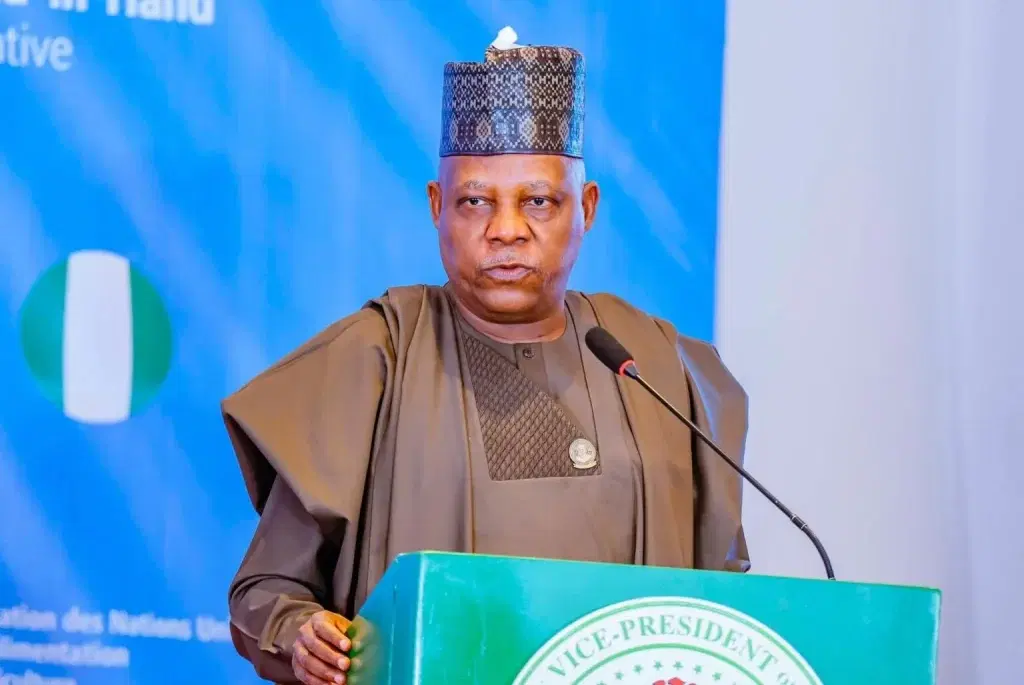
As Nigeria approaches a pivotal election, the emergence of figures like Kashim Shettima, Rabiu Kwankwaso, Rotimi Amaechi, and Sule Lamido as potential vice-presidential candidates signals a shift in political dynamics. Traditionally, political alliances have hinged on zoning and ethnic considerations, but this election is increasingly focused on competence and effective governance.
In recent months, Nigeria's opposition has been vocal about the need to break away from the entrenched political formula that has dominated its landscape. "We need leaders who can inspire change, not just those who can deliver votes," stated Rabiu Kwankwaso, former governor of Kano State. This sentiment resonates with many voters disillusioned by past administrations.
As the political climate evolves, the choice of vice-presidential candidates may redefine party strategies and voter engagement. The emphasis on merit over traditional power brokers could alter the electoral calculus, presenting a unique opportunity for candidates who prioritize governance. With the election looming, the implications of these shifts will be critical in determining Nigeria's political future and the potential for reform in a country yearning for change.