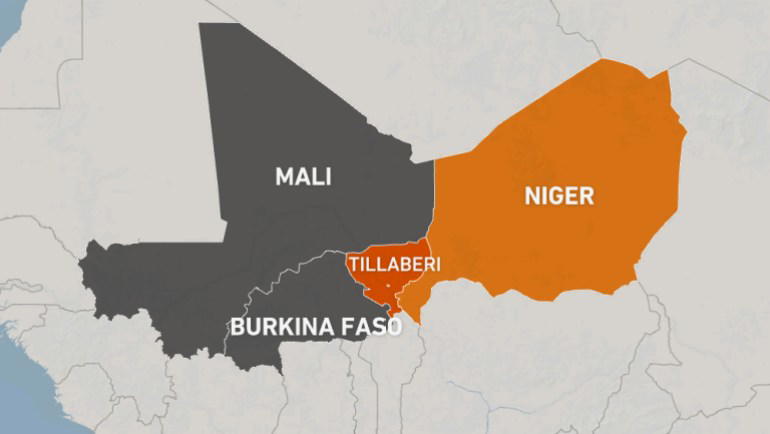
The recent withdrawals of Mali, Burkina Faso, and Niger from the International Criminal Court (ICC) pose significant challenges to international justice efforts. The ICC's executive body expressed deep concern, highlighting that these decisions not only undermine accountability but also embolden impunity in a region already grappling with violence and instability.
These withdrawals come amid growing anti-colonial sentiments and skepticism about Western influence in African legal matters. The ICC has been criticized for perceived bias, particularly in its focus on African nations. However, the court remains a critical mechanism for addressing war crimes and human rights violations. ICC President Piotr Hofmański stated, "These withdrawals represent a step backward in the global fight against impunity and threaten the very fabric of international law."
Looking ahead, the implications of these withdrawals could be profound, as they may deter victims from seeking justice and embolden perpetrators in conflict zones. As regional dynamics evolve, the ICC may need to reassess its strategies to engage with African states and restore confidence in its commitment to justice for all.

