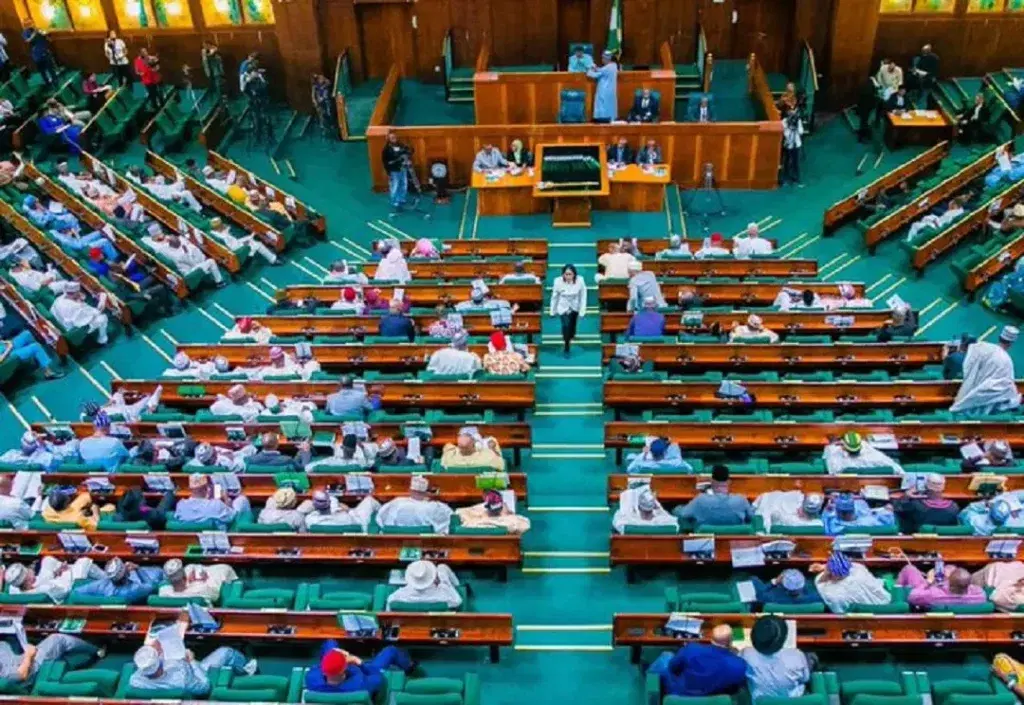
Nigeria's escalating security crisis has prompted the House of Representatives to prioritize the establishment of state police in its forthcoming plenary session. This move is part of the ongoing constitutional amendment aimed at enhancing local law enforcement capabilities to combat rising violence and unrest across the country. The proposed state police framework seeks to empower regional governments to address security challenges more effectively, a response to years of increasing attacks by insurgents and bandits.
Stakeholders are keenly aware of the implications of this decision. "We cannot continue to rely solely on federal forces while our communities suffer," stated Rep. Femi Gbajabiamila, Speaker of the House. His remarks underscore a growing consensus that localized policing may provide more timely and context-sensitive responses to security threats.
As the vote approaches, the outcome will likely reflect the broader sentiments of a populace increasingly frustrated with insecurity. Should the establishment of state police gain approval, it may herald a significant shift in Nigeria's approach to security, potentially leading to a more decentralized and responsive law enforcement structure. This decision could be a crucial step toward restoring public trust and safety.


