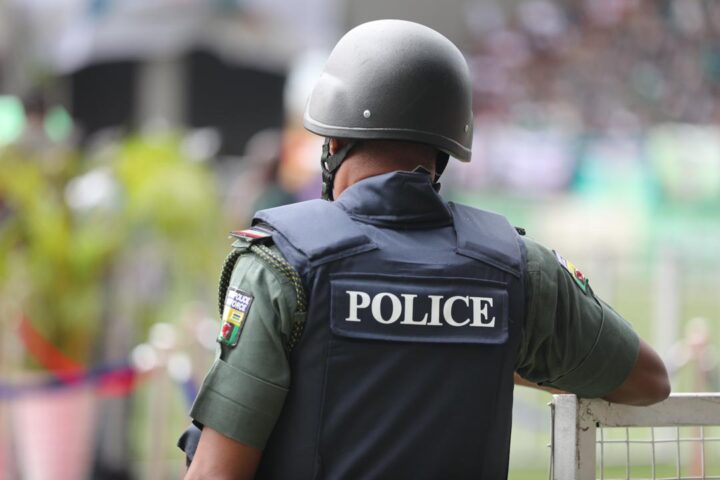
As Nigeria grapples with escalating insecurity, the Presidency convened a crucial meeting with the leadership of the National Assembly and Inspector-General of Police, Tunji Disu, to discuss the establishment of state police. This initiative has gained urgency, given the rising incidents of violence and crime across various regions, prompting calls for localized law enforcement solutions.
The proposed framework aims to empower states to manage their security apparatus, reflecting a shift from the centralized police system that has often been criticized for inefficacy. IGP Disu emphasized the need for robust community policing, stating, “We must adapt our strategies to meet the unique security challenges faced by each state.” This sentiment resonates with many Nigerians who have long advocated for enhanced local control over policing.
Moving forward, the success of this initiative hinges not only on legislative approval but also on the capacity of state governments to effectively implement and manage these forces. As discussions progress, observers will be keenly watching how these developments may reshape Nigeria's security landscape and the broader implications for federalism in the country.