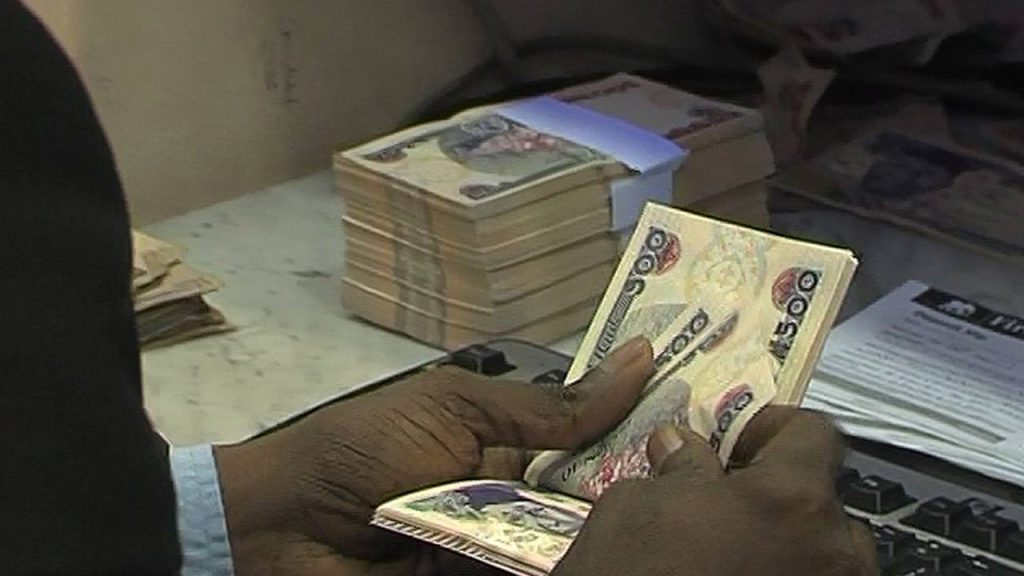
Nigeria's inflation rate has surged to 15.69% as of April 2026, reflecting a distressing trend primarily driven by skyrocketing food, transport, and healthcare costs. This sharp rise poses significant challenges for households and businesses already grappling with dwindling purchasing power. The cost of staple foods has soared, leading to heightened food insecurity, while transport price hikes have further strained economic activities.
Recent data reveals that food inflation has reached unprecedented levels, exacerbating the plight of millions. According to Dr. Amina Bello, an economist at the Nigerian Economic Policy Institute, “The current inflationary pressures are unsustainable, and without urgent policy interventions, we risk further destabilizing our economy.”
As the government faces mounting pressure to address these issues, analysts suggest that fiscal and monetary policies need to be recalibrated to curb inflation and stimulate growth. With the upcoming elections, the economic landscape could shift dramatically, influencing how leaders prioritize economic reform. The road ahead remains uncertain, but immediate action is crucial to safeguard the livelihoods of Nigerians and restore confidence in the economy.