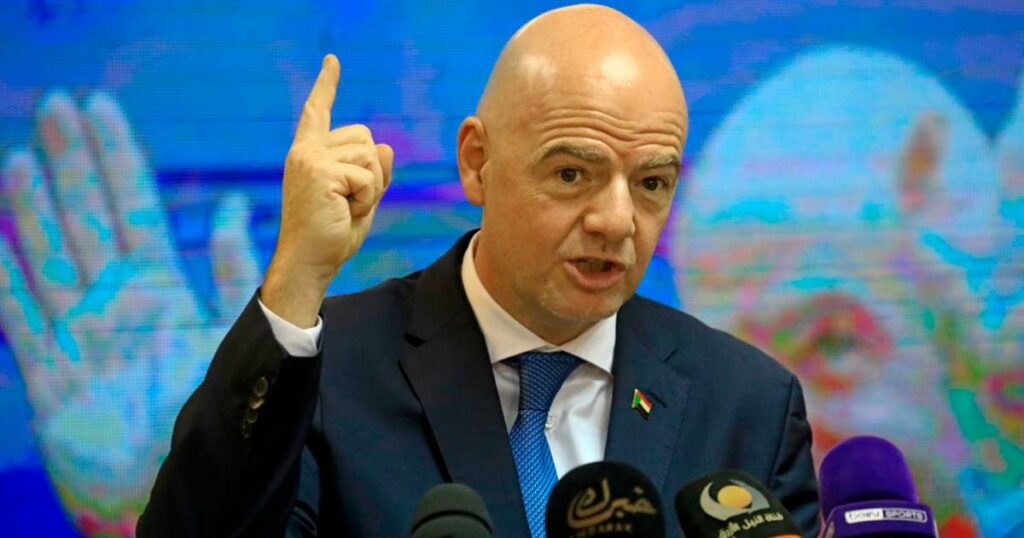
Gianni Infantino’s decision to expand the World Cup to 48 teams has not only transformed the tournament's competitive landscape but also significantly boosted its economic impact, particularly in the betting sector. Reports indicate an astonishing 80% increase in betting volume compared to the previous World Cup in 2022, attributed to the increased number of matches and wider fan engagement.
This surge reflects a broader trend in sports betting, with experts predicting that the allure of a larger tournament format would attract diverse audiences. “The excitement surrounding more teams and matches has made this World Cup a betting bonanza,” noted Alex Johnson, a betting analyst at BetTrends. This statement underscores how Infantino’s strategy has capitalized on both fan enthusiasm and the evolving landscape of sports wagering.
As the tournament progresses, this trend raises questions about the long-term implications for global football. With betting becoming increasingly intertwined with the sport's economics, stakeholders must navigate the balance between growth and responsible gambling practices. The World Cup's success in engaging punters may redefine future tournament formats and their overall commercial viability.