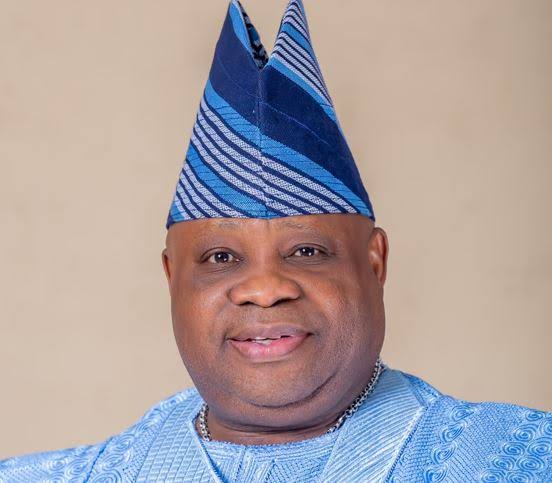
In a recent statement, Deji Adeleke, a prominent billionaire and the President of Adeleke University, addressed the persistent issue of electoral rigging in Nigeria, emphasizing that the responsibility does not lie solely with the Chairman of the Independent National Electoral Commission (INEC). He argued for a collective effort to ensure integrity in the electoral process, underscoring the need for collaboration among political parties, civil society, and the electorate.
Adeleke remarked, “The INEC chairman alone cannot prevent rigging; it requires all stakeholders to be actively involved.” This statement comes in the wake of ongoing criticisms aimed at the electoral body following accusations of malpractice in recent elections. The call for a united front highlights the complexities of Nigeria’s electoral landscape, where systemic challenges often undermine democratic processes.
Looking ahead, the challenge remains for Nigeria to foster an electoral environment where transparency and accountability are prioritized. As stakeholders begin to engage more collaboratively, the expectation is that reforms will emerge, strengthening the democratic framework and restoring public trust in the electoral system. The path to credible elections may be fraught, but collective vigilance could pave the way for a more robust democracy.