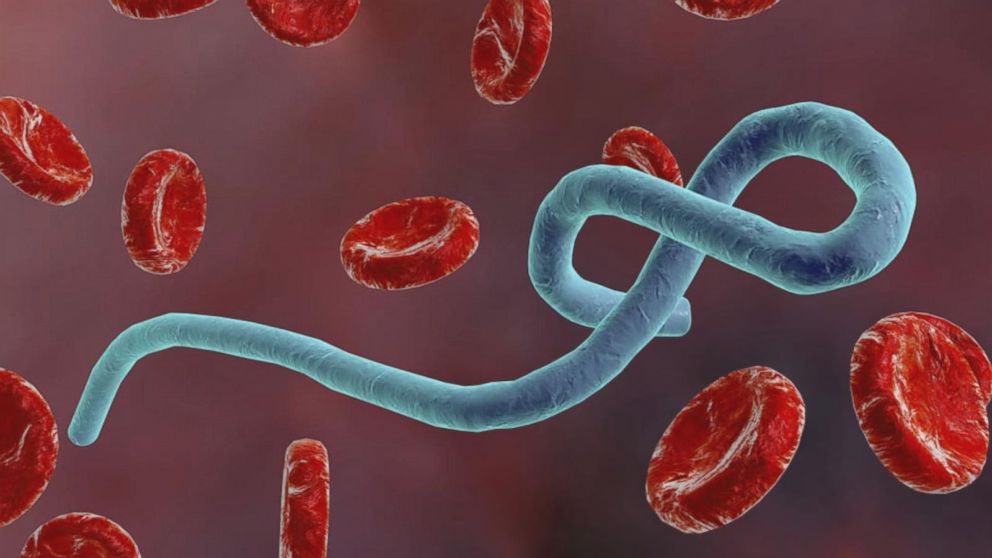
India's decision to postpone an upcoming summit with the African Union underscores the significant health risks posed by the recent Ebola outbreak in the Democratic Republic of Congo. This move is a precautionary measure reflecting growing global concern over infectious diseases, particularly in regions where healthcare infrastructure is vulnerable.
The Ebola outbreak has raised alarms not only within the affected areas but also internationally, prompting countries to reassess their diplomatic engagements. The summit, originally slated to foster discussions on trade, investment, and technology transfer, was seen as a pivotal opportunity for strengthening ties between India and African nations. "The health and safety of all participants must take precedence," stated Aditi Sharma, a senior official at the Indian Ministry of External Affairs. This sentiment echoes the broader apprehension shared by many stakeholders about the implications of unchecked health crises.
Looking ahead, the postponement may alter the dynamics of India-Africa relations, necessitating a recalibration of how such summits are conducted in the face of health emergencies. As nations strive to balance diplomacy with public health, future engagements will likely prioritize safety protocols and contingency planning.