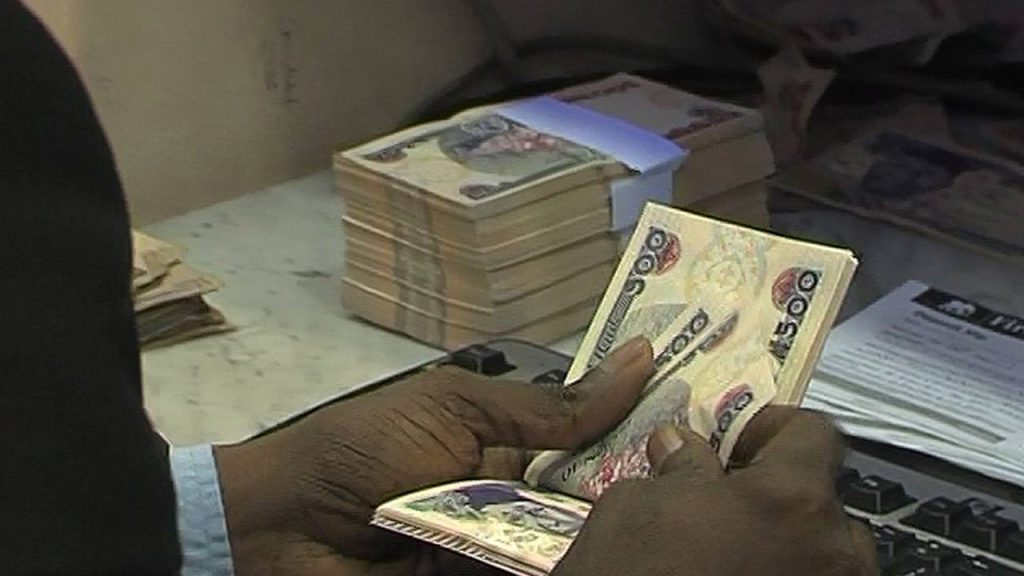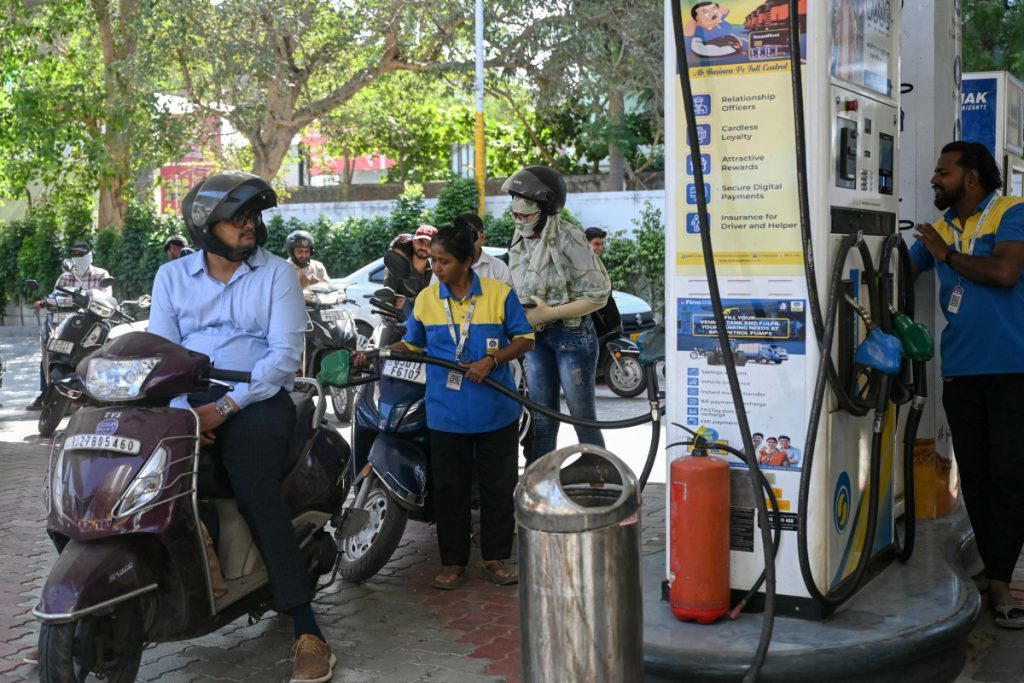
As the Middle East conflict escalates, India has taken a significant step by raising fuel prices for the first time since the outbreak of hostilities, a move tied directly to supply chain disruptions stemming from the blockade in the Strait of Hormuz. This decision comes amid rising global oil prices and reflects the cascading effects of regional instability on economies far beyond the epicenter of conflict.
The Indian government has faced mounting pressure as fuel costs impact consumer prices and economic growth. "We must take these difficult measures to ensure our energy security and stabilize our economy," noted Prakash Javadekar, India's Minister of Environment, Forest and Climate Change. The increase in fuel prices is expected to ripple through various sectors, exacerbating inflation and challenging the government's ability to maintain growth amidst an uncertain global backdrop.
Looking ahead, the situation remains precarious. Continued conflict in the Middle East could further strain supplies, compelling India to make tough economic choices. Policymakers will need to balance domestic needs with international pressures, as the ramifications of this decision unfold in the months to come.