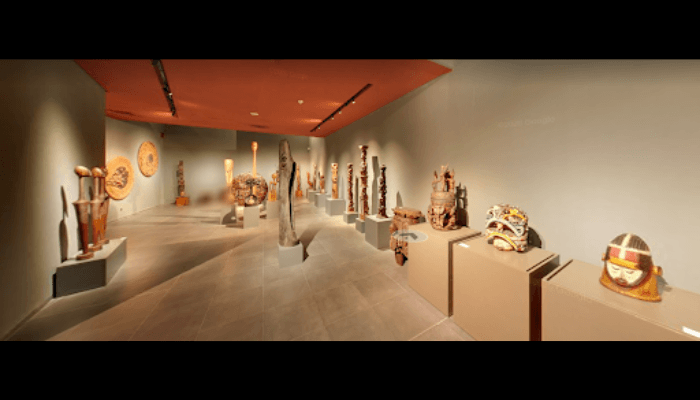
The recent discourse surrounding the presence of copies in museums has sparked heated debates about authenticity and value in cultural heritage. As institutions adapt to modern challenges, the role of replicas emerges as a viable solution to both preservation and accessibility. With some original artifacts becoming too fragile for public display, copies allow for continued engagement without compromising integrity.
Dr. Sarah Nkosi, curator at the National Museum of African Art, emphasizes this point: “Replicas serve as a bridge, connecting audiences to the past while safeguarding our treasures.” This perspective highlights a shift toward inclusivity, enabling broader audiences to experience art and history that might otherwise remain out of reach.
Moreover, as technology advances, the quality of replicas improves, making them indistinguishable from the originals to the untrained eye. This evolution not only democratizes access but also fosters a deeper appreciation for cultural narratives. Looking ahead, museums must embrace the educational potential of copies, transforming them into tools for storytelling and engagement, ultimately enriching the visitor experience while preserving the irreplaceable heritage of our societies.