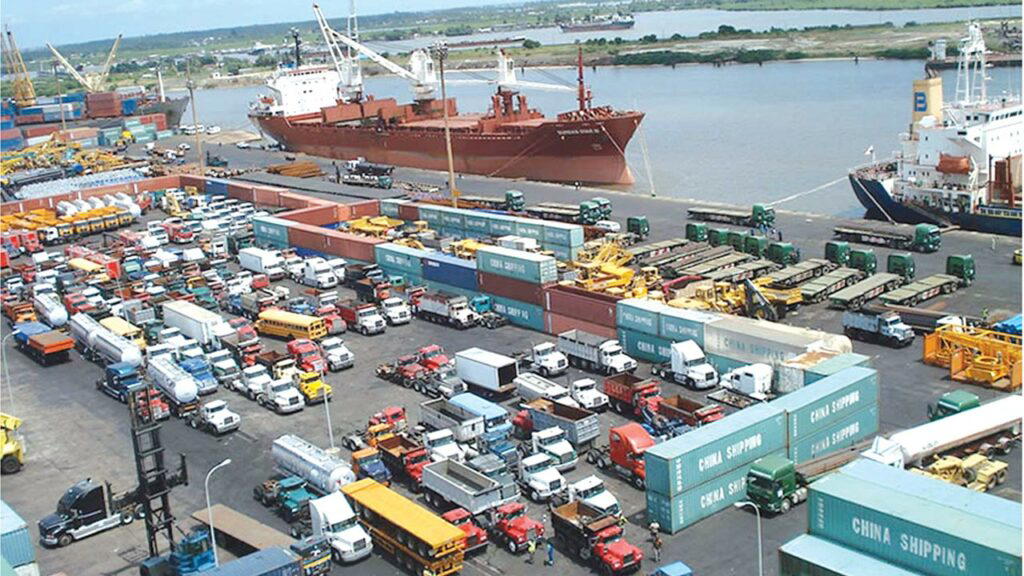
Nigerian import operations face significant hurdles as delays and multiple alerts in cargo clearance strain efficiency. Sir Gabriel Obi, a prominent importer, has raised alarms over these persistent issues, which he argues are severely hampering the cargo scanning process. This situation has drawn attention to the broader challenges within Nigeria's logistics sector, as timely clearance is crucial for maintaining competitiveness in global trade.
Obi stated, "The ongoing delays and alerts create a bottleneck that not only disrupts our operations but also discourages foreign investment." His remarks underscore the urgent need for reforms in customs procedures and infrastructure improvements. The challenges are compounded by outdated technology and inadequate staffing, which hinder the scanning and clearance of goods at ports.
As importers grapple with these inefficiencies, the potential for economic repercussions looms large. If left unaddressed, these delays could deter international trade partnerships and inhibit Nigeria's growth trajectory. Stakeholders must prioritize solutions to streamline cargo clearance processes, ensuring that Nigeria remains an attractive destination for global commerce. The focus should be on modernization and better resource allocation to enhance operational efficiency in the import sector.