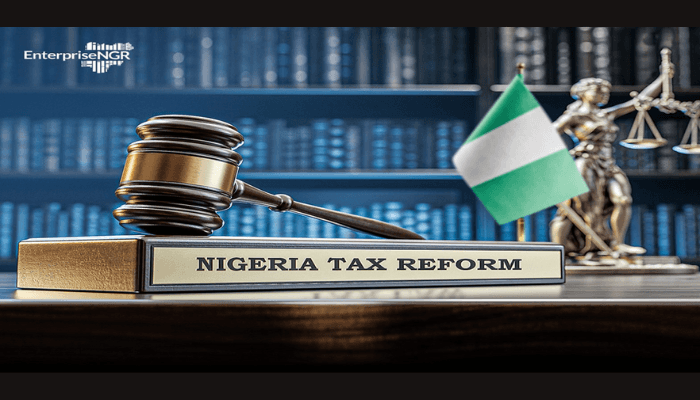
The International Monetary Fund's persistent call for Nigeria to raise taxes underscores the urgency of addressing the country's fiscal challenges. As of June 2026, Nigeria grapples with an economy strained by low oil prices and rising inflation, prompting the IMF to advocate for a more robust revenue generation strategy. This recommendation comes in the wake of Nigeria's ongoing efforts to diversify its economy and reduce reliance on oil exports.
In recent discussions, Dr. Abubakar Suleiman, an economic analyst, emphasized, "Without increased tax revenues, Nigeria's development goals will remain unattainable." The IMF's guidance reflects a broader concern about the sustainability of Nigeria's public finances, particularly as the government faces mounting debt and dwindling foreign reserves.
As Nigeria considers these recommendations, the potential for tax reforms could reshape the economic landscape, fostering greater investment in infrastructure and social services. However, the challenge remains in balancing tax increases with the need to stimulate growth and avoid burdening the already struggling populace. The path forward will require careful navigation of political and social dynamics to ensure long-term economic stability.


