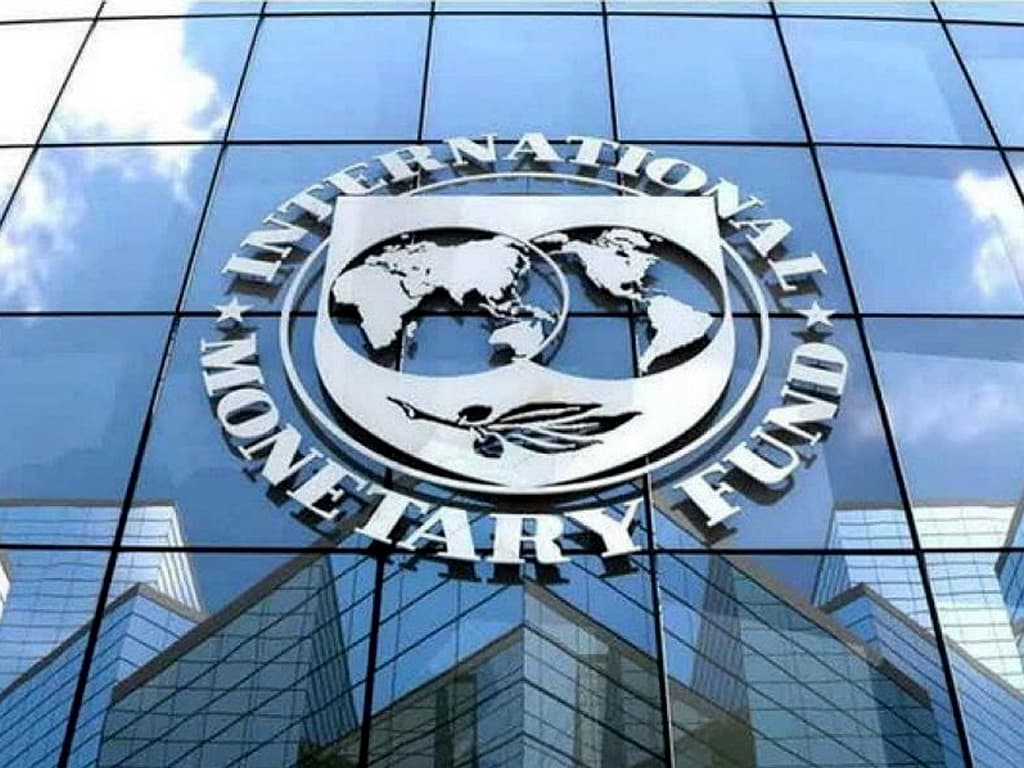
The International Monetary Fund (IMF) has strongly advised the Nigerian federal government to reconsider its proposed $5 billion Total Return Swap (TRS) External Financing Programme with the First Abu Dhabi Bank. This recommendation highlights ongoing concerns regarding Nigeria's fiscal sustainability amidst increasing debt levels and economic instability.
The TRS deal, aimed at stabilizing Nigeria's foreign reserves, has drawn scrutiny due to potential long-term financial risks. Critics argue that the swap could further entrench Nigeria's reliance on foreign financing, exacerbating vulnerabilities in a fluctuating global economic landscape. "Engaging in such a high-stakes financial arrangement without robust safeguards could jeopardize Nigeria's economic recovery," stated Dr. Amina Yusuf, an economist at the Nigerian Economic Summit Group.
As the federal government grapples with these warnings, it faces a critical juncture in balancing immediate financial needs against sustainable economic policies. The IMF's counsel may serve as a pivotal moment for Nigeria, urging a reevaluation of its strategies to foster economic resilience and independence. The outcome of this situation could significantly influence Nigeria's financial trajectory and investor confidence in the long term.