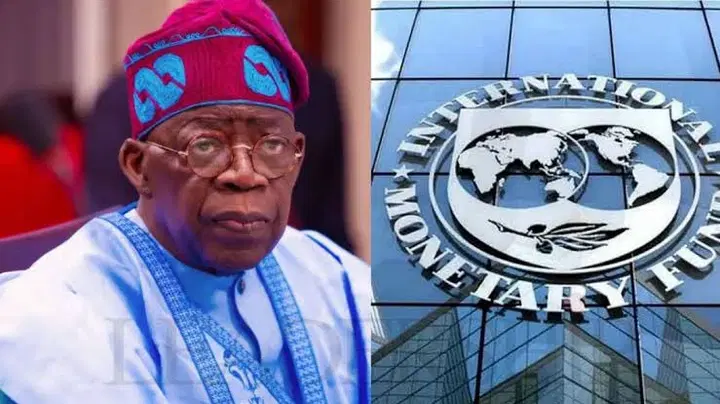
The International Monetary Fund (IMF) has acknowledged Nigeria's recent economic reforms while emphasizing the urgent need for continued efforts to combat poverty and inflation. Despite improvements, the IMF warned that many Nigerians still face dire living conditions, exacerbated by global economic pressures and rising food insecurity.
In its latest assessment, the IMF noted that while Nigeria's fiscal policies have shown promise, the impact on everyday citizens remains limited. “Sustaining these reforms is essential to ensure that the benefits reach the most vulnerable populations,” stated Dr. Abebe Selassie, Director of the African Department at the IMF. This highlights the critical gap between macroeconomic metrics and the lived experiences of many Nigerians.
Looking ahead, the challenge for Nigeria will be balancing reform implementation with immediate social needs. As the global economic landscape continues to shift, it is crucial for the government to adopt targeted measures that not only stabilize the economy but also address the underlying issues of poverty and inflation. Failure to do so could hinder the potential of these reforms to create lasting change and improve the quality of life for millions.