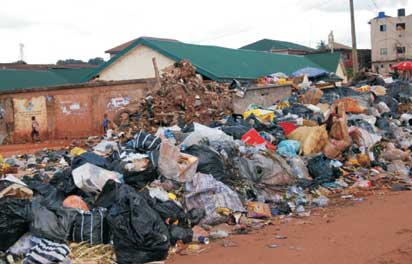
Lagos is grappling with a refuse crisis that not only mars its urban landscape but also threatens public health and economic stability. Uncollected waste has become an alarming norm, with heaps of garbage lining highways, markets, and residential streets. This issue is particularly pressing in a city that serves as Nigeria's commercial hub, where the visibility of waste underscores broader systemic failures in waste management.
Recent reports indicate that the Lagos State Waste Management Authority faces significant challenges, including inadequate funding and logistical bottlenecks. "The refuse problem is a reflection of deeper infrastructural issues," says Adebayo Ogunleye, an environmental analyst. "Without urgent action, we risk long-term damage to both our health and economy."
As the local government struggles to implement effective waste management solutions, the situation may exacerbate, leading to increased public health risks and deteriorating living conditions. Addressing this menace requires a multifaceted approach, including community engagement and investment in waste management infrastructure. The future of Lagos hinges on its ability to resolve this crisis, balancing economic growth with public health and environmental sustainability.