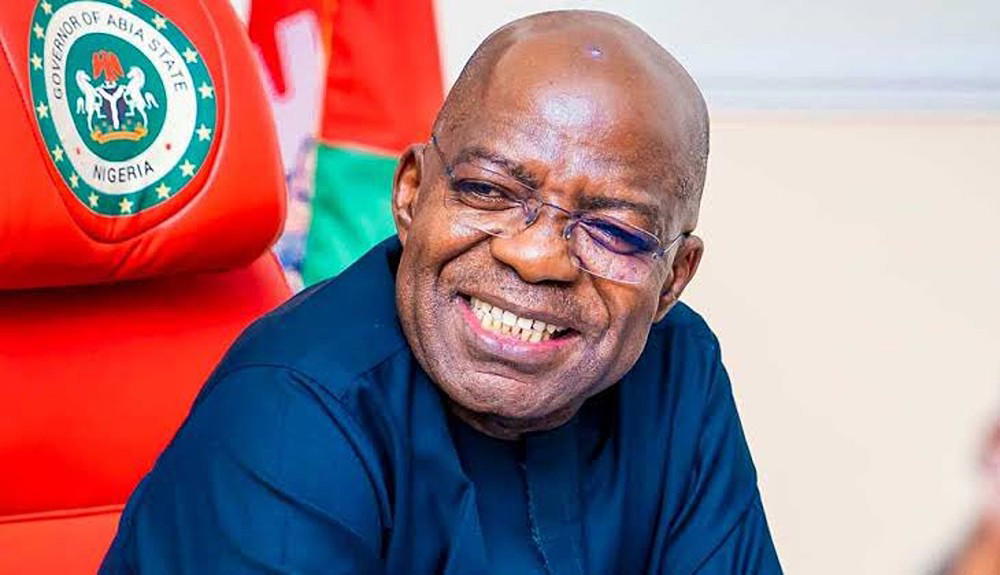
The arrest of former Minister Geoffrey Nnaji by the Independent Corrupt Practices and Other Related Offences Commission (ICPC) marks a significant escalation in Nigeria's ongoing battle against corruption. Nnaji, who served in the administration prior to the current government, is accused of financial misconduct linked to various projects during his tenure.
The ICPC's confirmation of the arrest has sparked debates about accountability in governance, particularly in sectors critical to Nigeria's development. Observers note that this action underscores a broader commitment by the current administration to tackle corruption aggressively. "This is a clear message that no one is above the law, and public officials will be held accountable for their actions," stated Ibrahim Magu, a prominent anti-corruption advocate.
As the investigation unfolds, the implications for Nnaji and the political landscape could be profound. Should the allegations be substantiated, it may prompt further scrutiny of other officials and catalyze reforms in governance practices. The case serves as a litmus test for the integrity of Nigeria's political institutions and their resolve to foster transparency in public service.